P04: Inflammatory memory in H. pylori-infected gastric epithelia
(PI: Silja Wessler)
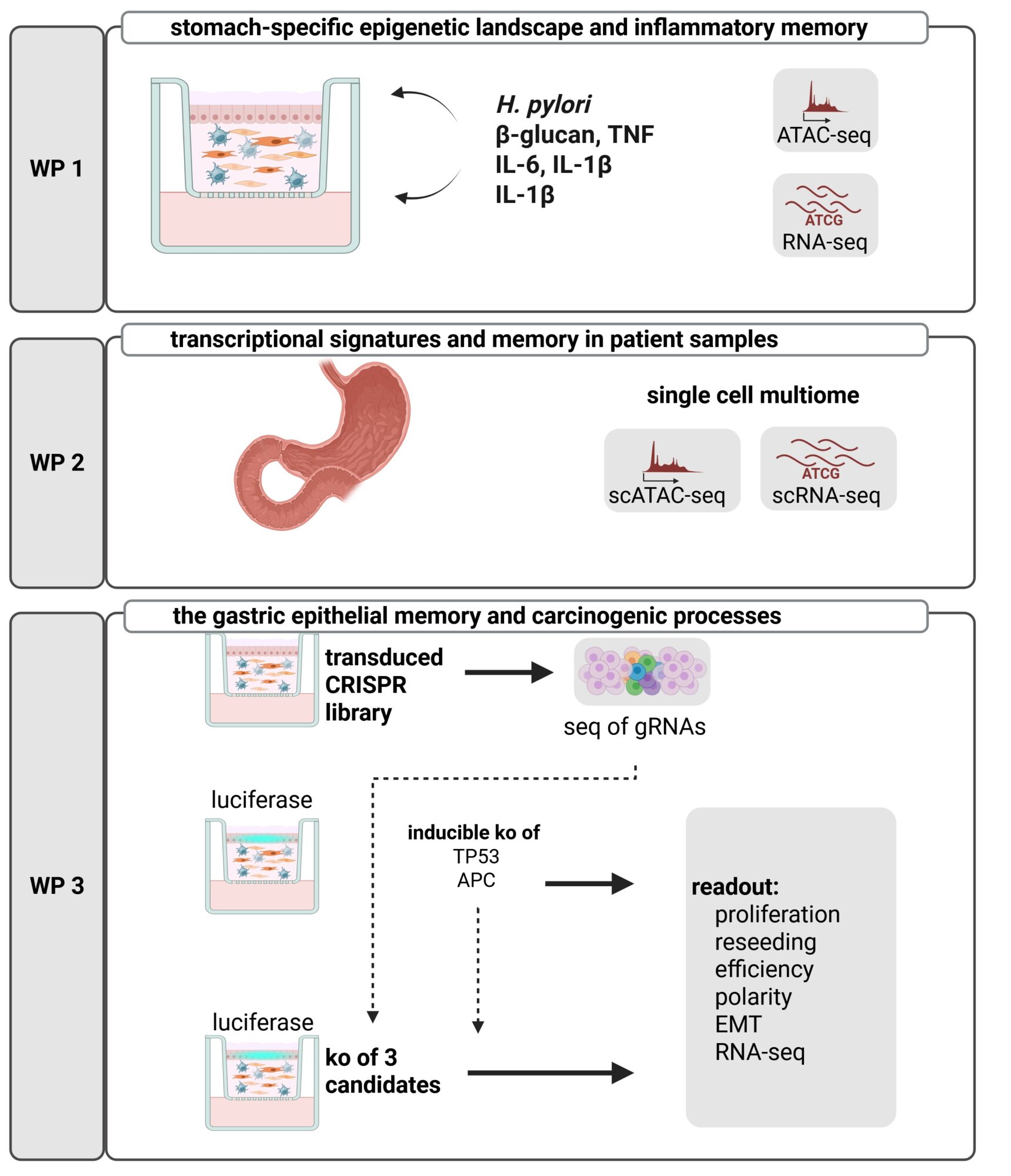
In this project, we investigate why the risk of gastric neoplasia can remain elevated for up to a decade after Helicobacter pylori eradication. It tests the hypothesis that H. pylori-driven inflammation leaves a durable, stomach-specific “epigenetic memory” in gastric structural cells that predisposes tissue to inflammation-driven gastric cancer. Using human primary gastric organoids, mucosoids, and advanced assembloids as infection models, the team will map the core transcriptional and epigenetic programs that encode inflammatory memory and define how they persist after infection. We will identify stomach-specific epigenetic memory signatures induced by inflammatory stimuli in epithelial cells and fibroblasts. And we will determine how inflammatory memory cooperates with oncogenic driver mutations to promote carcinogenic processes. Integrated within the EpiFlaMe consortium, the project aims to pinpoint key epigenetic regulators, distinguish stomach-unique versus shared signatures across organs, and link these mechanisms to functional cancer-relevant outcomes, ultimately enabling more precise, epigenetic-targeted strategies for preventing and treating infection-associated gastric disease.
Keywords: Stomach, cancer, gastritis, Helicobacter pylori, inflammation, infection