EpiFlaMe

Memory in Epithelial Cells: Organ Specificity and Cancer
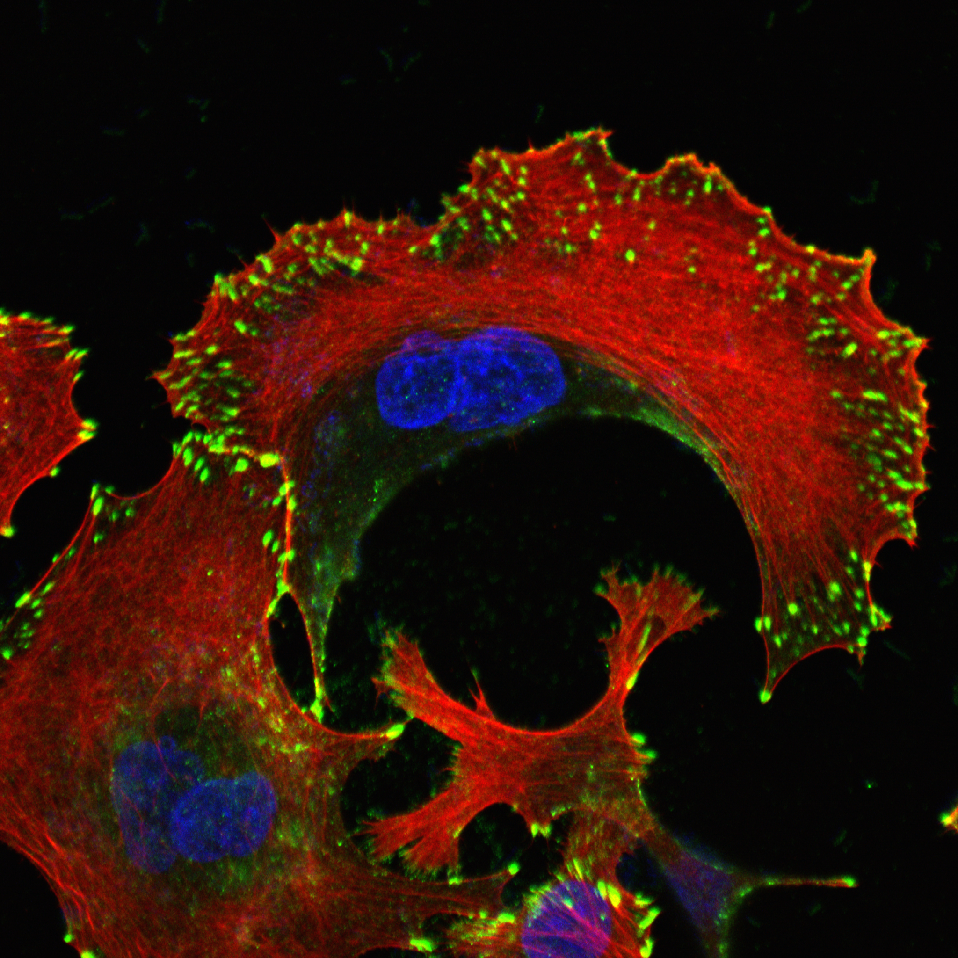
Cells in our body can “remember” previous damage or inflammation. This so-called “inflammatory memory” is stored through epigenetic markers on the cell’s genetic material (DNA) and influences how strongly the body reacts to new challenges later on. Chronic inflammation in epithelia – the surface cells that line our organs and body – plays a major role in the development of malignant tumors that arise from these cells and are responsible for about 80 percent of cancer deaths worldwide.
We know that different organs (such as the skin, stomach, intestine, lungs, or liver) shape the properties of their cells in different ways. However, we still understand very little about how exactly an organ’s environment influences the long-lasting memory that cells develop after inflammation. This is where the work of the special research program “EpiFlaMe” comes in: EpiFlaMe is a consortium formed by 7 PIs, which is funded as a „Special Research Area“, a prestigious funding scheme of the Austrian Science Fund. The project focuses on understanding epithelial inflammatory memory, and cancer development. Using multi-omics profiling, innovative organoid cell cultures and in-vivo models and computational modeling the research team will create the first systematic molecular map of inflammatory memory in epithelial cells across multiple organs. To achieve this, the consortium brings together experts from the University of Salzburg, the Johannes Kepler University (JKU), Linz and the Medical University of Vienna, working in immunology, microbiology, cancer research, and computational systems biology. Together, the team will systematically study how organ-specific inflammatory memory forms in epithelial cells and how it affects inflammation and cancer development.
The goal of the EpiFlaMe research program is to lay the foundation for future therapies that can treat chronic inflammatory diseases and help prevent tumor formation in an organ-specific way.
EpiFlaMe is funded by the Austrian Science Fund ( FWF) and receives additional support by the State of Salzburg and the University of Salzburg
Partners