Veröffentlicht am
Februar 9, 2026
Letzte Aktualisierung: Februar 9, 2026
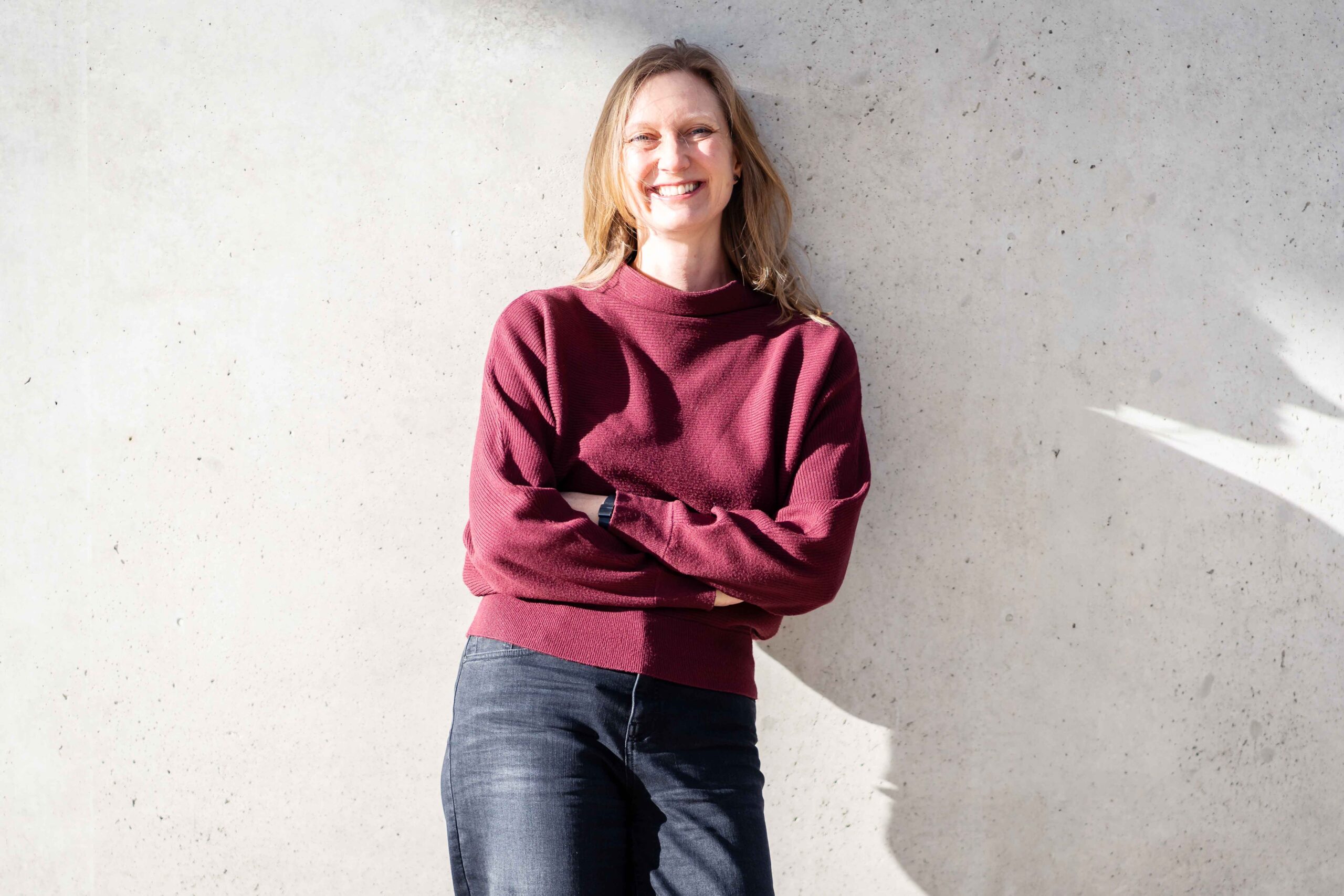
Antrittsvorlesung Frau Univ.-Prof.in Dr.in Julia Boll
Dark Green Dreams, the Lost Commons, and Re-Enchanted Landscapes
Dienstag, 14. April 2026 | 18:30 Uhr | UNIPARK, Hörsaal Thomas-Bernhard (E.001)
This lecture forms part of a wider research project on how „the commons“ – the idea of spaces, resources and values we share as members of a community – are performed in ways that shape political and cultural movements. These shared spaces can be imagined both as nostalgic, nationalist ideals and as sites for resistance, where collective identities are actively made through collective acts of language, movement, and affect. In this lecture, I examine contemporary British responses to environmental loss through nature writing and folk-inflected musical cultures. I read Robert Macfarlane’s elegies for old British places, walking routes, and historical landscapes as attempts to create a linguistic and experiential commons, shaping what I call fatalistic nostalgia: a melancholic longing for shared landscapes already felt to be slipping away. Macfarlane’s writing captures a present-tense mourning that also echoes across contemporary British folk rock, here exemplified by PJ Harvey’s work between 2011 and 2023.
Placing these cultural forms in dialogue with debates on dis- and re-enchantment from Max Weber to Silvia Federici, I suggest that recent returns to ritual, collective affect, and landscape respond to a wider desire for re-enchantment in late capitalist societies. Such gestures can foster ecological care, solidarity, and renewed attention to shared forms of life. At the same time, they are politically ambivalent: romanticised ideas of return to land, self-sufficiency, and rootedness can sometimes harden into exclusionary visions of community, shaped by nostalgia and a longing for an imagined communal past. By reading the commons as inherently performative, I explore how acts of re-enchantment do not simply revive traditions but actively shape social and political possibilities and open futures that range from inclusive and transformative to more restrictive and inward-looking.