CROSSCULTURE Religious Studies Sommer Schule 2026
Summer School 03.08.2026 – 07.08.2026
Photo: O.Rötting
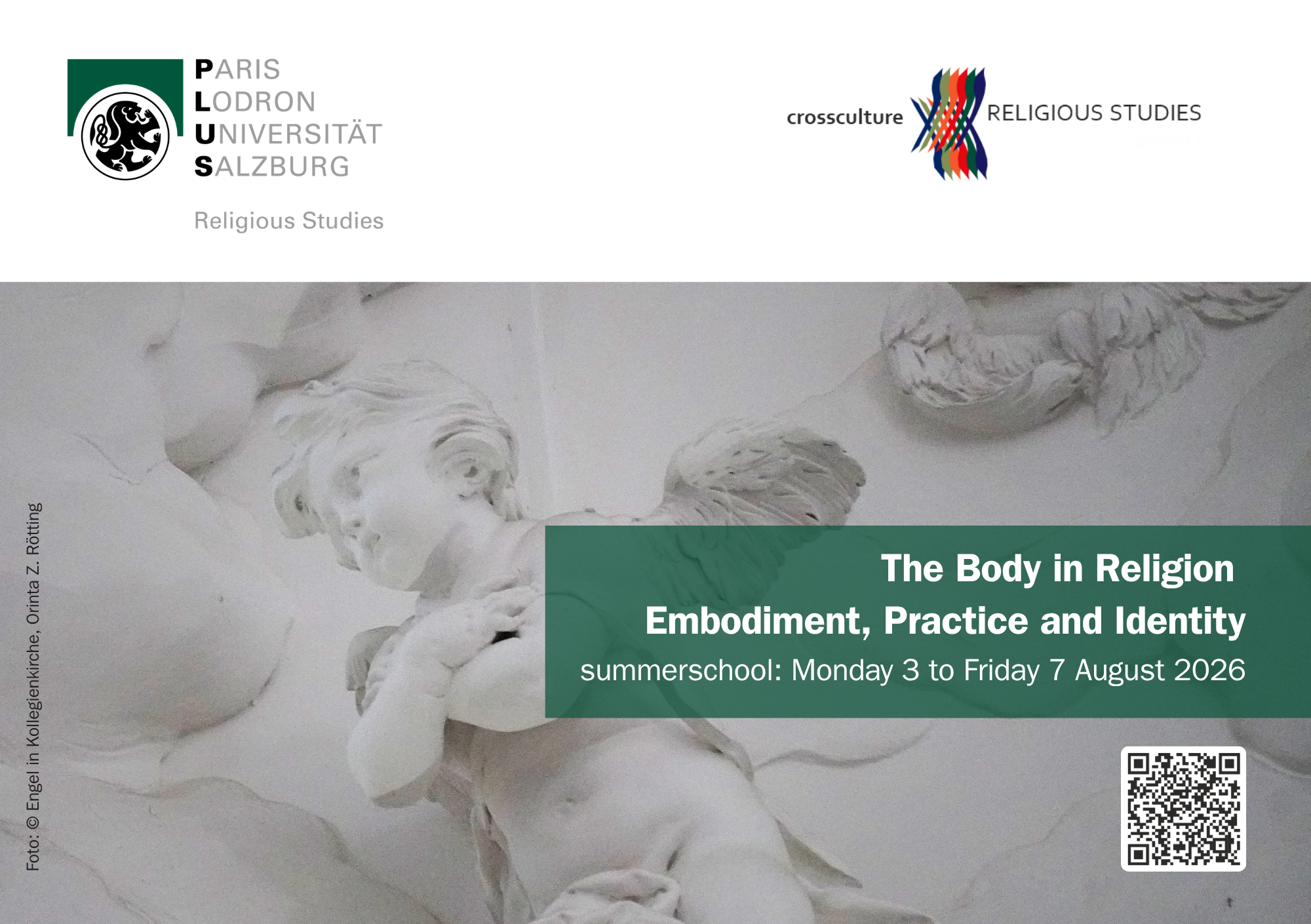
Summer School 03.08.2026 – 07.08.2026
The Body in Religion
Embodiment, Practice, and Identity
at the Paris-Lodron University of Salzburg
Join us in Salzburg to think with, through, and about the body—where theory meets practice and global perspectives come alive. Discover how bodies shape and are shaped by religious life at “The Body in Religion: Embodiment, Practice, and Identity,” a global summer school bringing together students and scholars from Nairobi, Haifa, Salzburg, Seoul (Dongguk), Yogyakarta (UGM), Varanasi (BHU), and Bologna. Hosted in Salzburg—in cooperation with the Salzburger Hochschulwochen—this immersive program explores the body as a site of devotion, discipline, power, memory, and belonging across diverse traditions and cultural contexts. Through interdisciplinary seminars, hands-on workshops, and dialog with international faculty, participants will examine how embodied practices—from ritual gestures and ascetic techniques to dress, dance, and healing—shape religious identities and public life. Engage with case studies from Africa, Asia, Europe, and beyond, and sharpen your methodological toolkit in anthropology, theology, history, and performance studies.
Program
Monday 03.08.2026
9:00 Arrival
10:30 Registration, Introduction
11:00 Lecture 1: “The Body: A religious Hope, Promise or Illusion?” (Martin Rötting, University of Salzburg/Austria) & Response 1:NN
12:00 Lunch
14:00 Lecture 2: „Body as Flesh, Body as Wisdom: The Many Bodies of the Buddha (Wamae W. Muriuki Nairobi / Kenia) & Response 2: Soonil Hwang / Korea
15:30 Group Work (MR) Religion & Biography
19:30 Student Party
Tuesday 04.08.2026
09:00 Lecture 3: „Persistent Bodies: The Syncretic Corpse and Ritual Endurance in Maragoli Funerary Practice.“ (Prof. Dr. Edith Kayeli Chamwama, Univ. of Nairobi / Kenia &) Response 3NN
10:30 Lecture 4: „Disability and Devotion at Tembayat:Bodies, Blessing, and Memory in Javanese Pilgrimage“ (Dr. M Rizal Abdi, CRCS UGM / Indonesia) & Response 4:NN
12:00 Lunch
14:00 Hochschulwochen HS 101: Lecture 5: „Embodying Confucianism moralty for social Harmony“ (Evi Sutrision, CRCS UGM / Indonesia): Response 5: Emma Abate / Italy
15:30 Lecture 6: „Body and Buddhism“ (Soonil Hwang, Dongugk University / Korea) Response 6: Martin Rötting/ Austria
19:30 Concert
Wednesday 05.08.2026
9:00 Student papers I
10:30 Student papers II
12:00 Lunch
14:00 Cultural Outing: „Bodies in Baroque“ (Günter Studinger)
18:00 Faculty Meeting
19:30 Award Ceremony (in German) or free evening
Thursday 06.08.2026
9:00 Lecture 7: „The Body of God in Jewish Tradition“ (Yossi Chajes Univ. of Haifa / Israel) & Response 7:
10:30 Lecture 8: „The Body Shop: From Golem to Homunculus (An Archaeolgy of Anthropoiesis in Jewish and Christian Cultures)“ (Emma Abate, Univ. of Bologna / Italy)
11:00 Response 8: Yossi Chajes / Israel
12:00 Lunch
14:00 Workshop „Dance To reconnect. A modern spiritual dance lab“ (Maria Schweighofer)
15:30 Ulrich-Winkler Award
19:30 Reception at the Bischofsresidenz
Friday 07.08.2026
9:00 Lecture 9: The Concept of Body in Hinduism (Priyanka Mishra, BHU Varanasi), Response 9
10:30 Reflection, Response, Closure & Farwell
More information about the lectures:
Papers
The Body: A religious Hope, Promise or Illusion? (Assoz. Prof. Dr. Martin Rötting)
The body is used in religion to foster spiritual process but also to warn about impermanence.
For many forms of spirituality and religion, the body is a subject of debate, a tool, a source of hope, but also a danger. The worship of the body and hostility towards it are integral parts of religious rituals and spiritual practices. Overcoming the body and its ‘passions’ is just as much a part of religious hopes as the possibility of achieving the goal of spiritual paths through practices that engage the body (such as breathing techniques). This lecture seeks to trace these wide-ranging and diverse approaches to the body in religion and to situate bodily practices and perspectives between hope, promise and illusion.
Body as Flesh, Body as Wisdom: The Many Bodies of the Buddha (Prof. Dr. Wamae W. Muriuki)
After the Buddha’s death, the growing Buddhist community faced a conundrum: how to understand his life and teachings in light of the relationship between ignorance and wisdom. How did he, with all the limitations of a human being, come to discover wisdom from within the depths of ignorance?
Drawing from the Samyutta Nikaya, in which the Buddha is recorded as saying to the Venerable Vakkali; „One who sees the Dhamma sees me; one who sees me sees the Dhamma. For in seeing the Dhamma, Vakkali, one sees me; and in seeing me, one sees the Dhamma“ (22.87), Buddhists, particularly in the Mahayana tradition creatively elaborate that we must see the Buddha (and other advanced Buddhist practitioners, like bodhisattvas) as having 3 „bodies:“ a body of flesh and blood, a body of glorious reward, and a body as dharma.
This presentation will trace how this threefold schema helped Buddhists resolve many tricky philosophical questions related to not just the relationship between wisdom and ignorance, but time and space, eternity and ordinary time, and transcendence and immanence.
Persistent Bodies: The Syncretic Corpse and Ritual Endurance in Maragoli Funerary Practices (Prof. Dr. Edith Kayeli Chamwama)
Death in many African communities is a rite of passage marking the transition from the physical to the spiritual world. To this end, death is imbued with rituals that signify the connection between the living and the spirits. This study focuses on the Maragoli way of dealing with death. A highlight of the study is how the physical body among the Maragoli serves as a site of negotiation between African cultural worldview and Christianity. The living perform both African and Christian rituals on and for the body, which thus becomes a ‘syncretic’ corpse as identity is affirmed, worldviews are negotiated, and, ultimately, the resilience of the cultural worldview is revealed through the persistence of traditional cultural practices that find expression in the practices of the Christian converts. The churches’ accommodation of traditional practices points to a negotiated reality that speaks to a deeper unmet need within the Christian framework. The study is anchored in John Mbiti’s concept of the living dead and Ndlovu-Gatsheni’s decoloniality theory. Data for this study are drawn from interviews, participant observation, and a review of relevant literature on the subject.
Keywords: Maragoli; death rituals; embodiment; syncretic corpse; ritual endurance; decolonial effect; strategic syncretism; cultural reclamation; Christianity.
„Disability and Devotion at Tembayat:Bodies, Blessing, and Memory in Javanese Pilgrimage“ (Dr. M Rizal Abdi, CRCS UGM / Indonesia)
At the Tembayat mausoleum in Central Java, bodies become sites of both devotion and memory in contemporary Muslim pilgrimage. Drawing on intermittent fieldwork between 2012 and 2022, I argue that pilgrimage to Tembayat is organized around two interrelated forms of embodied piety. First, the tomb and bodily remains of the wali anchor the shrine as a locus of sacred memory, where pilgrims seek berkah—divine blessing associated with protection, health, and well-being. The saint’s body, preserved in death, mediates the transmission of spiritual power and links contemporary practice to a remembered past. Second, pilgrims’ own bodies emerge as offerings whose devotional value is negotiated through suffering, mobility, and material resources. Pilgrims with disabilities engage in distinct regimes of devotion: some refuse assistance while ascending the shrine, converting pain and endurance into an immediate offering, while others rely on assisted mobility such as motorcycle transport, redistributing religious merit through paid services, care, and acts of charity. By engaging theories of embodiment, lived religion, and moral economy, the paper shows how Javanese pilgrimage contributes to crosscultural debates on how bodies are made into sites of devotion, memory, and moral judgment.
The Body as Obstacle and Instrument to Liberation in Early Indian Buddhism (Dr. D.Phil Soonil Hwang)
Early Buddhist soteriology presents a complex relationship with the body, simultaneously identifying it as the primary locus of suffering (dukkha) and the essential foundation for liberation. Texts within the Pali Canon consistently portray the body as impermanent, subject to decay, and a source of attachment, fueling the cycle of rebirth. This perspective informed early ascetic practices, initially embraced as a means to subdue desire, but ultimately rejected by the Buddha as unproductive and even detrimental. However, the body was not simply to be negated. Ethical discipline (sila), a cornerstone of the Eightfold Path, fundamentally relies on bodily conduct, establishing a framework for skillful action. Crucially, meditative practices, particularly those emphasizing mindfulness(satipatthana), directly engage with bodily sensations as objects of observation. This mindful awareness, rather than suppression, allows practitioners to dismantle habitual patterns of craving and aversion. This tension – the body as both obstacle and instrument – is central to early Buddhist thought. Liberation is not achieved through annihilation of the body, but through a transformative understanding of its nature, utilizing it as a vehicle for cultivating wisdom and ultimately transcending suffering. The body, therefore, remains integral to the path, even as the goal is its ultimate dissolution into nibbana.
The Body of God in Jewish Tradition (Prof. Dr. J.H. Yossi Chajes)
From the anthropomorphic deity of the Hebrew Bible to the luminous cosmic figure of Adam Kadmon, the question of whether — and in what sense — God possesses a body has animated Jewish religious thought across three millennia. This lecture traces a continuous yet contested tradition. It begins with the frank corporealism of biblical narrative and prophecy, where God appears in humanoid form, and argues that classical rabbinic literature, far from suppressing this inheritance, preserved and extended it — a tendency that found its most intense expression in the throne and chariot traditions of late antique Jewish mysticism and in the staggering divine measurements of Shiur Qomah. The lecture then examines the decisive rupture of the high medieval period, when Maimonides enshrined divine incorporeality as a binding dogmatic principle — and the immediate resistance this provoked, most memorably in the dissenting gloss of Abraham ben David of Posquières, the great twelfth-century Provençal rabbinic authority. The second half turns to classical Kabbalah, which navigated this tension with characteristic ingenuity: formally committed to the incorporeality of Ein Sof (No-End, the apophatic Hebrew term for the Divine), yet preserving — indeed, systematizing — the divine body as the structural form of the sefirotic tree. This dynamic culminates in the Lurianic figure of Adam Kadmon, the primordial divine anthropos whose limbs and orifices become the generative architecture of creation. Throughout, the lecture draws on the visual evidence of kabbalistic ilanot to show how this theology was not merely speculated but diagrammed, mapped, and embodied on the page.
The Body Shop: From Golem to Homunculus (An Archaeology of Anthropopoiesis in Jewish and Christian Cultures) (Prof. Emma Abate)
My lecture explores the cultural and religious imaginaire surrounding the artificial production of human bodies and life in Jewish and Christian traditions through a comparative analysis of two emblematic figures: the golem and the homunculus. Initially embedded in ritual practices of anthropopoiesis and later elaborated in legendary and literary traditions, both function as anthropological and epistemic devices through which different conceptions of corporeality, embodiment and human agency are articulated. Emerging from religious practices concerned with the fabrication and animation of the human body, these figures offer privileged perspectives on the relationship between matter, life and the human condition.Adopting an archaeological perspective, the paper traces their migration from religious contexts into artistic and literary poiesis. Rooted respectively in Jewish mystical traditions and Christian-alchemical speculation, the golem and the homunculus inhabit a liminal space between divine power and human artifice, where the body becomes a site of experimentation and symbolic negotiation. Their enduring presence across texts, images and performances reveals a persistent fascination with the possibility of imitating God by producing life through symbolic, magical, or technical means.The paper examines how these figures have mediated broader reflections on corporeality, creativity, and the limits of human intervention in the divine order. From kabbalistic legends and alchemical treatises to modern reinterpretations – from Frankenstein to 2001: A Space Odyssey, to contemporary reflections on artificial intelligence – their transformations illuminate changing understandings of the body, agency and creation within increasingly secularized contexts, making anthropopoiesis a privileged site for observing the reconfiguration and existential tensions of religious meanings in Western culture.
The Empirical Grammar of Personal Hope. Case Studies in South Korea and Austria
There is passive and active hope. One aspect of hope also refers to a situation that is not in one’s own hands, a “paradise prepared for us”. Another aspect refers to a part that one must contribute to oneself. This also applies to concrete hopes, as in the case of climate change. We know that everyone has to participate, including us. But if only I participate, it is “irrelevant”. What is important here is the idea of critical mass, according to which a certain percentage (10%) of the population is enough to “get the ball rolling”. Prophetic figures of hope can be effective because the “critical mass” can be reached. Greta Tunberg and the Fridays for Future can be seen as an example. An important aspect for the motivating life force, according to the hypothesis of this paper, is the concrete utopia (Ernst Bloch), a possibility to help bring about this “critical mass” in order to make decisive visions of hope a reality. The paper investigates empirical shapes of hope in Austria and South Korea and asks questions of cultural sharpening of religious forms of hope.
Ven. Chongdok C.H. Park, Dongguk University, Korea
Young adult Buddhism in the 21st century Korea
The South Korean birth rate has dropped by over half since the 1990s and, if current trends continue, the nation’s population will begin contracting by 2035. Meanwhile, South Korean society has grown increasingly materialistic and secular. As of the nation’s 2015 census, only 15.5% of the country described themselves as Buddhist, compared with 22.8% a decade earlier, while 56% of all South Koreans and 65% of young adults claim no religious affiliation at all. Korean Buddhism is not alone in this crisis, however, as dropping birthrates and aging populations are adversely affecting the recruitment of Catholic clergy, not only in Korea, but around the globe. The Jogye Order, the biggest Buddhist Order in Korea, is clearly struggling to remain relevant in contemporary Korean society, especially among the younger generations, and unless the Korean Jogye Buddhist Order reverses these trends, the order faces the real possibility of extinction.
Over the last three decades, the Korean Jogye Order’s postulant education system has made considerable progress in standardizing, centralizing, and modernizing Buddhist education for aspiring monastics. As celebrated by the order’s 2022 publication “The 30-year History of Buddhist Monastic Postulant Education”, the order’s program has successfully seen over 9800 ordained novices graduate since its launch in 1991. However, there is a broad consensus within Korea’s Buddhist community that the religion is in crisis and, within the order, in particular, that its future is in peril. Unless it is reversed, the trend portends the very real possibility of the order’s demise by the end of the 21st century, if not sooner. The order recently vowed to reverse the downward trend in monastic recruitment and raise the annual number of ordained novices to 150 by 2025 through a multifaceted plan involving greater youth outreach efforts, an increased social media presence, and online Buddhist educational materials, along with an expansion of the order’s international missionary efforts. Given that postulant recruitment is critical to the order’s survival, this lecture examines Young adult Buddhism in Korea and the Jogye Buddhist Order’s postulant education system in light of the current membership crisis.
Prof. Ananda Mishra, Prof. Grace Darling
Department of Philosophy & Religion, Banaras Hindu University, India.
Agency, Autonomy and Individual Responsibility in Theism with special reference to the Hindu Religious Text Śrimadbhagavadgītā.
The idea of God and the Free-will is logically incompatible according to Benedictus de Spinoza (1632-1677) whereas Immanuel Kant (1724-1804) does not find them incompatible. God in Spinoza is impersonal though determinism is complete. This ‘divine determinism’ will be an ideal position for any theologist belonging to the theistic religions who believe in Personal God. And here lies the significance of the ancient religious text Śrimadbhagavadgītā (Gītā). Gītā presents a fully deterministic world-view where everything is controlled, regulated and pre-determined by the Omniscient, Omnipresent and all-good God. In this world which is completely determined and regulated by the Almighty God there is full autonomy of the self and total freedom of the agent according to Gītā. God here is personal and ‘divine determinism’ is also total. How autonomy and free agency is possible in a completely God-regulated world has been a perplexing problem for the world religions and their theologists. The resolution of this problem by Gītā is its unique gift to them. As Gītā addresses this issue in a philosophical and rational way the treatment of the problem and the solutions offered may be utilized by other world religions and their theologists.
Lecture 9: The Concept of Body in Hinduism (Priyanka Mishra)
The human body plays a significant role in Hinduism, considering it both a physical form and a sacred tool for spiritual development. It views the body as an impermanent but valuable vessel through which individuals fulfil righteous duty, gain knowledge, and pursue the four aims of life – Dharma, Artha, kāma, and Moksha. Canonical texts describe a close relationship between the body, mind, senses, and the eternal Self. Concepts such as the śarīra-traya and the pañcakośa offer a comprehensive understanding of human existence beyond the physical. This paper examines the philosophical and spiritual importance of the body in Hinduism, emphasising its role in self-discipline, health, ethical behaviour, meditation, and liberation. By exploring these ideas, the paper shows how Hindu thinking presents an integrated view of the body as a means for both worldly well-being and spiritual awakening.
Cultural Outing: Bodies in Baroque (Günter Studinger)
The workshop takes participants to various churches. The Kollegienkirche, the Cathedral and St Peter’s feature numerous Baroque figures that serve as excellent examples of the connection between physicality and Baroque piety. The workshop is led by Günter Studinger
Workshop: Dance to reconnect – a modern, spiritual dance lab (Maria Schweighofer)
How can we use our (dancing) body as a vessel to experience spirituality in every-day life? In dance we foster an active spirituality by shifting the sacred from an abstract, individual concept into a lived, physical experience. This spirituality feeds on the connection to oneself, to other human beings and the entire universe.
In dance we find ourselves in an embodied presence, experiencing the „here and now“ physically and anchoring the awareness directly in our immediate reality.
Expressing aliveness in all its‘ variety – challenges, joy, beauty, chaos, abundance – strengthens the connection to our unique, individual experience of life. Encountering with others enables an „I-thou“-connection and helps us to remember a shared human spirit – even with strangers, which leads to empathy as a spiritual pratice.
Simple dance exercises help us to find harmony within ourselves, as a part of the human species and a macrocosm – allowing us to co-create lively communities.
The mix of high-vitality dances, expressing archetypical gestures, slow-fluid movements and exercises of simple, non-verbal encounter help to harmonize your nervous system and induce states of expanded awareness.
Speakers:

Assoz. Prof. Dr. Martin Rötting
Leitung Religious Studies
Zentrumsleiter
Universitätsplatz 1, 5020 Salzburg
Tel.: +43 (0)662 / 8044 – 2629
Fax.: +43 (0)662 / 8044 – 742629
E-Mail:
1990-1994. Studies in Religious Education at Catholic University Eichstätt
1999-2001. Studies in ecumenism at Trinity College Dublin, MA of Ecumenic Studies
2002-2007. Doctorate (Dr. phil.) in Religious Studies at the Ludwig- Maximilians-University Munich
2013-2018. Habilitation in Religious Studies at the LMU Munich
2019- Professor of Religious Studies at the Univeristy of Salzburg
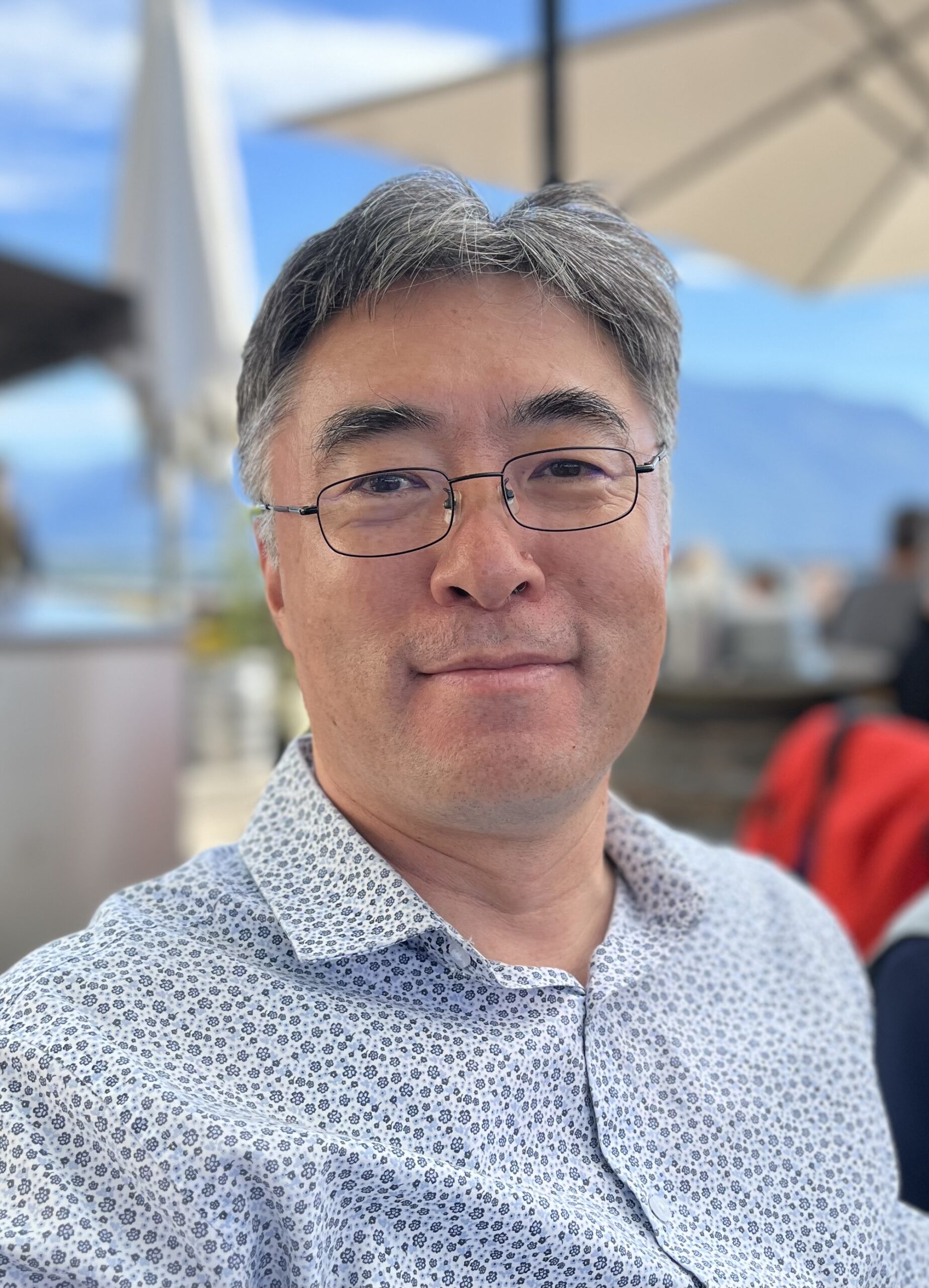
Dr. D.Phil Soonil Hwang
Associate Professor in the College of Buddhist Studies and also Dean of the College of Buddhism in Dongguk University in Seoul, South Korea. His main field of research is the doctrinal history of Early Buddhism and Buddhist culture in South and Southeast Asia. Courses: Early & sectarian Buddhism
1987-1993 Dept. of Indian Philosophy, Dongguk Univ. Seoul
1993 B.A. in Indian Philosophy1993-1995 Graduate School, Dept. of Indian Philosophy, Dongguk Univ. Seoul
1995 M.A. in Early Indian Buddhism
1996-2002 Dept. of Oriental Studies, Oxford University
2003 D.Phil. Oxford University
Ven. Chongdok C.H. Park

Prof. Dr. Ananda Mishra
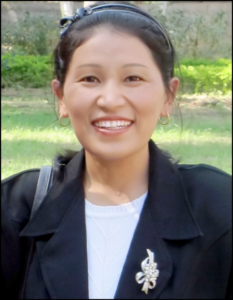
Prof. Dr. Grace Darling
Prof. Dr. J.H. (Yossi) Chajes
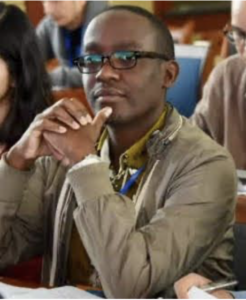
Dr. Wamae Muriuki
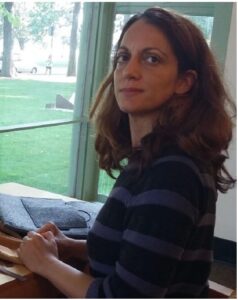
Prof. Emma Abate

Prof. Dr. Edith Kayeli Chamwama
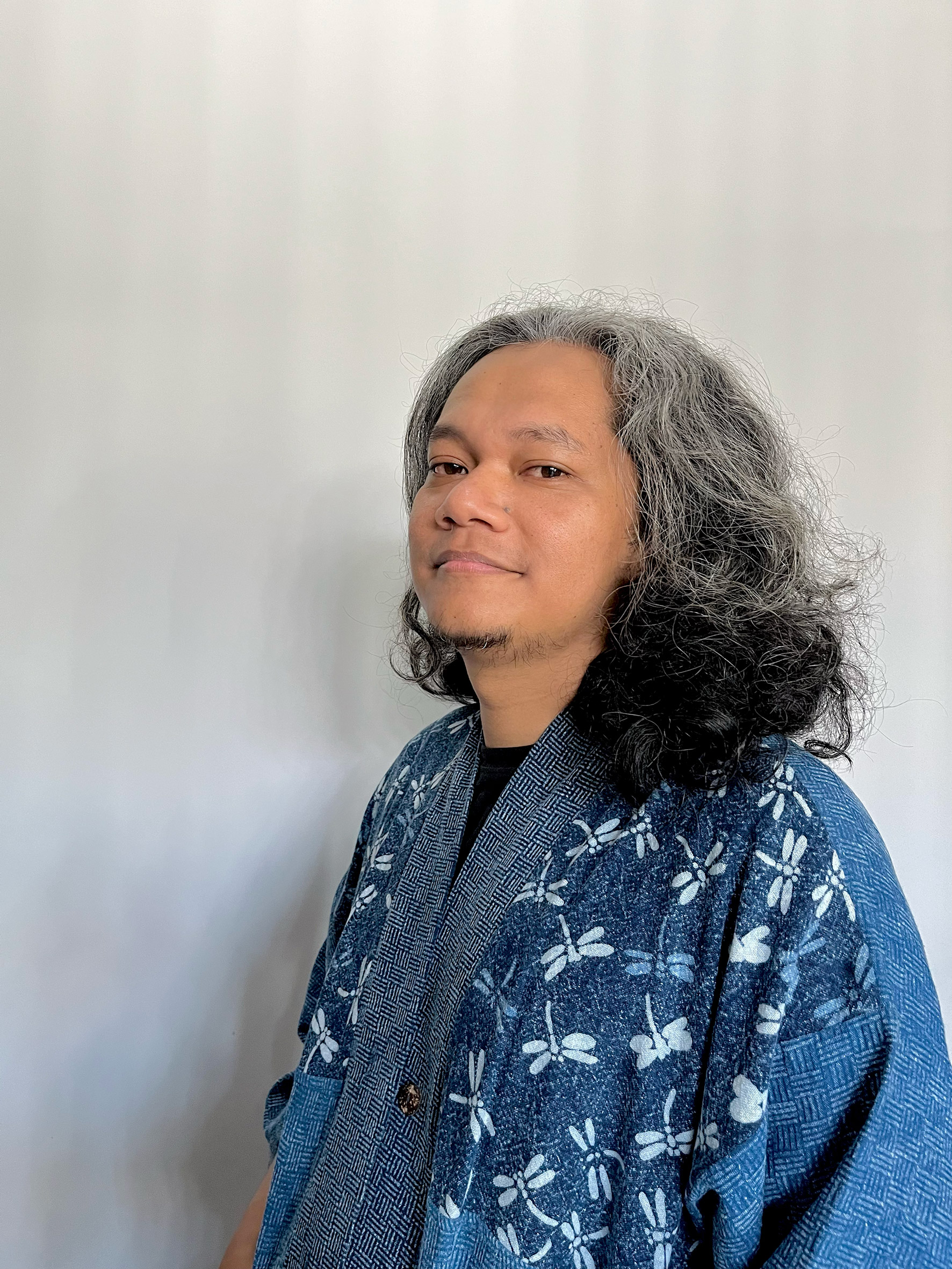
Dr. M Rizal Abdi
Dr. Samsul Maarif
Education:1995-1999. Institut Agama Islam Negeri (IAIN/ The State Institute for Islamic Studies) Alauddin, Makassar, Indonesia. S1 in Islamic Theology and Philosophy.2001-2003. Gadjah Mada University Jogjakarta, Indonesia. M.A in Religious and Cross-cultural Studies.2004-2005. Florida International University, Miami, Florida. AS. MA in Religious Studies.2006-2012. Arizona State University, Temple, Arizona. AS. Ph.D. in Religious Studies.
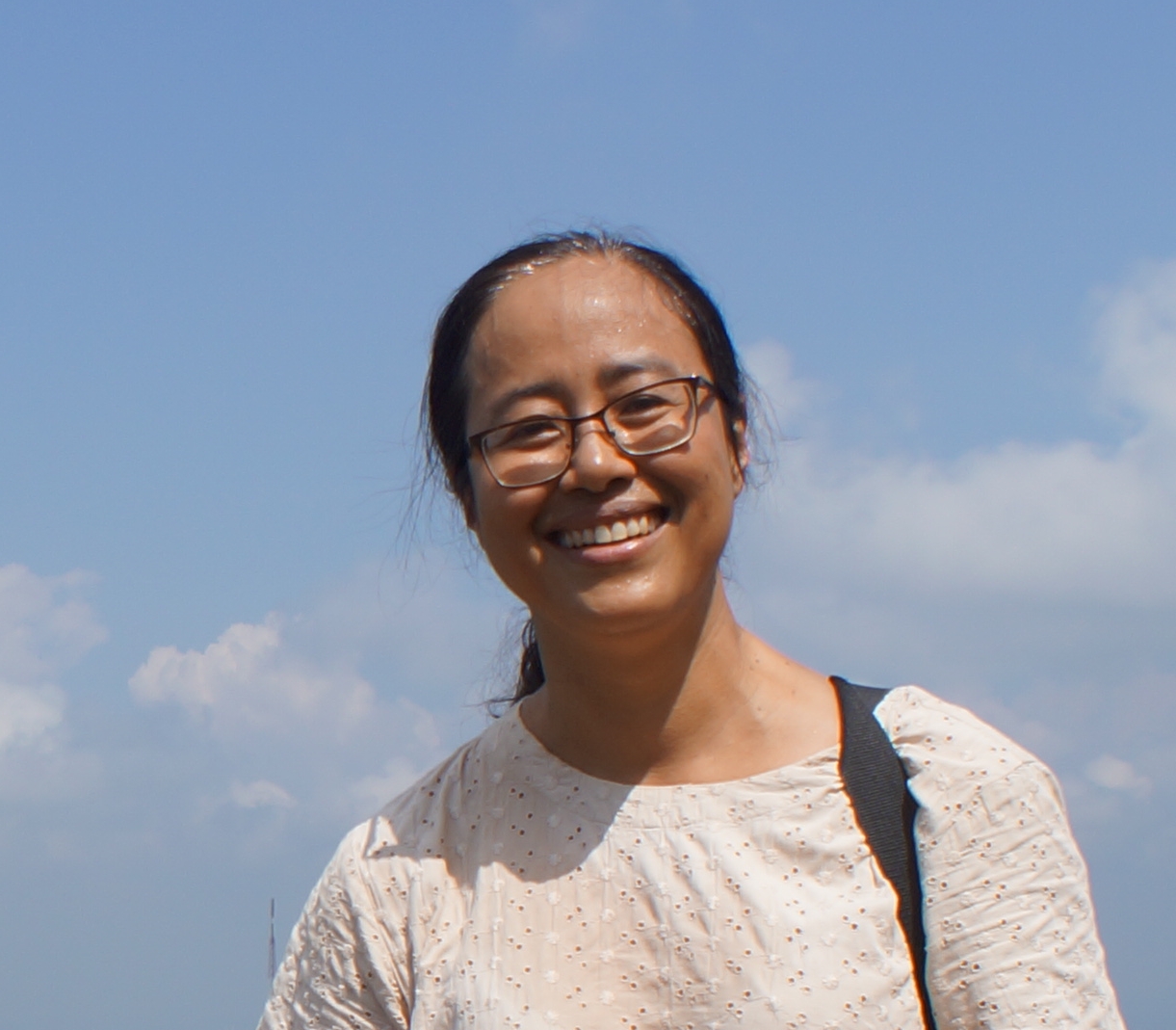
Evi Lina Sutrisno
Evi Lina Sutrisno is both affiliated to Faculty of Social and Political Sciences adn Center for Cross-Religious and Cultural Studies at the University of Gadjah Mada, Yogyakarta, Indonesia. Her research interests are about Confucianism, Chinese-Indonesians, Identity Politics and Multiculturalism. She has done research on the history of Confucianism in Indonesia and the struggles of its believers to be acknowledged as a formal religion by the Indonesian government. Currently, she does regular updates on this topic by making several research on the Chinese-Indonesian struggles to promote multiculturalism through Chinese festivals, the split between Confucian believers and the tension within the Chinese community about the blurry boundaries between religion and traditions, which creates disputes whether Chinese iconic festivals, such as Chinese New Year, Cap Go Meh (the first lunar festival), King Hoo Ping (the ancestral spirit worship) are religious or traditional rituals.
Embodying Virtue: Body and Faith Expression in Confucian Values
Drawing on classical concepts such as li (ritual propriety) and xiao (filial piety), the class examines how Confucian values are inscribed onto the body through disciplined practices—gestures, postures, and ritual performances—that are expressed in rituals and everyday life. These embodied forms are not merely symbolic but function as technologies of self-cultivation, shaping moral subjectivity and social harmony. In Confucian values, body can be understood as a site where ethical norms, social hierarchies, and cosmological beliefs intersect.
The class will briefly discuss the historical dimension of the Confucian values about body in China. In the Indonesian history, these values, which had been embodied and practiced by many Chinese-Indonesians, were used by the Dutch colonizers to strengthen racial segregation politics. The class further situates these values within contemporary contexts, such as during the Covid-19 pandemic, during which Confucian values endorsed Confucian believers to comply with the Indonesian government regulation to prevent the spreading of Covid-19 virus.
By engaging with embodiment theory and lived religion approaches, this study contributes to broader discussions on religion and the body by highlighting a non-Western framework in which faith is not primarily articulated through belief, but through cultivated bodily practice. It ultimately argues that Confucianism offers a compelling model of how moral and religious life is enacted, disciplined, and transmitted through the body.
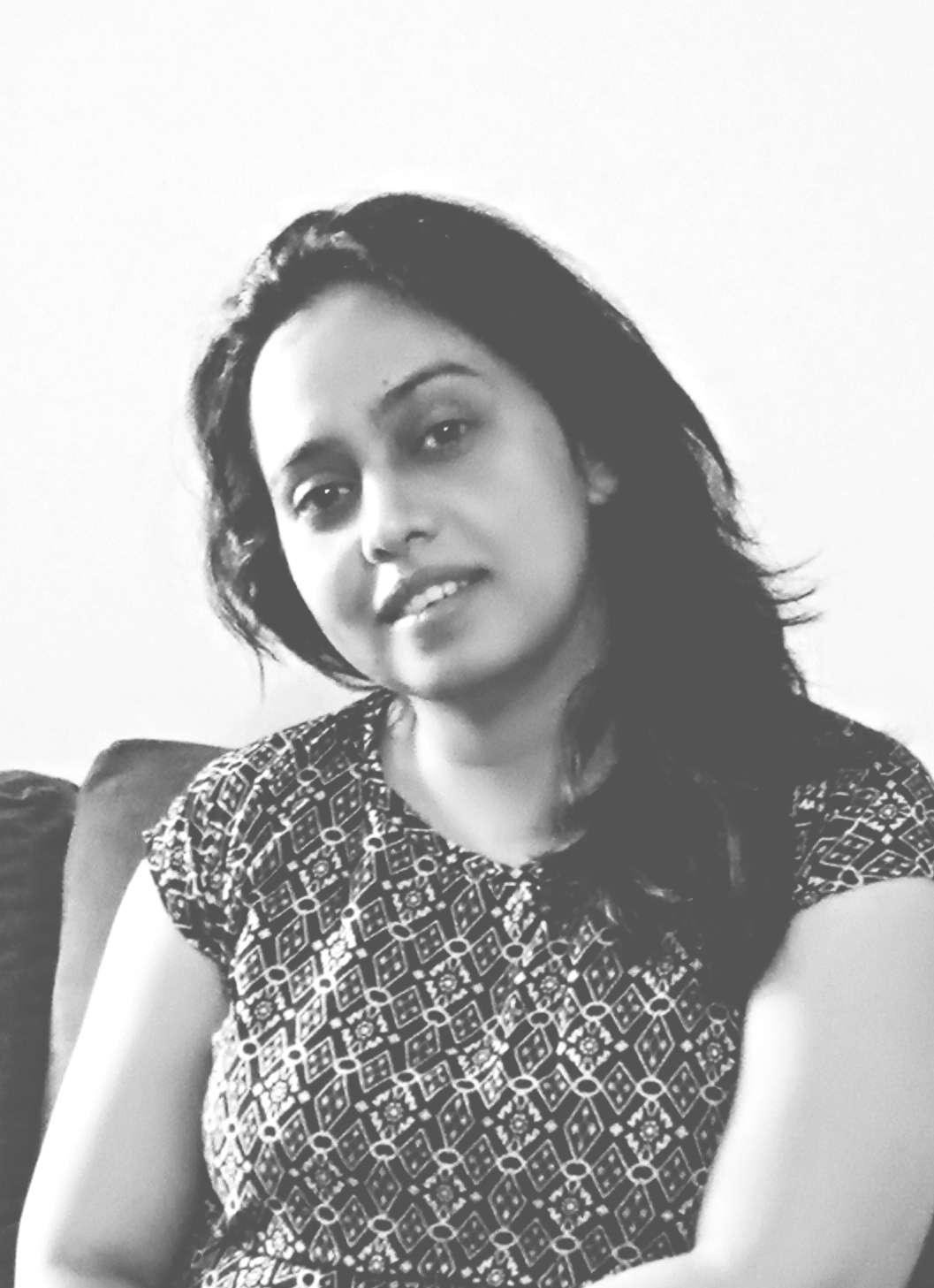
Dr. Priyanka Mishra
Dr. Priyanka Mishra is an Assistant Professor in Philosophy & Religion. Her work engages the intersections of philosophical inquiry and religious traditions, with a focus on fostering critical thinking, dialogue, and ethical reflection in the classroom. She is dedicated to mentoring students, developing interdisciplinary curricula, and contributing to conversations that bridge classical debates with contemporary concerns in the study of philosophy and religion.
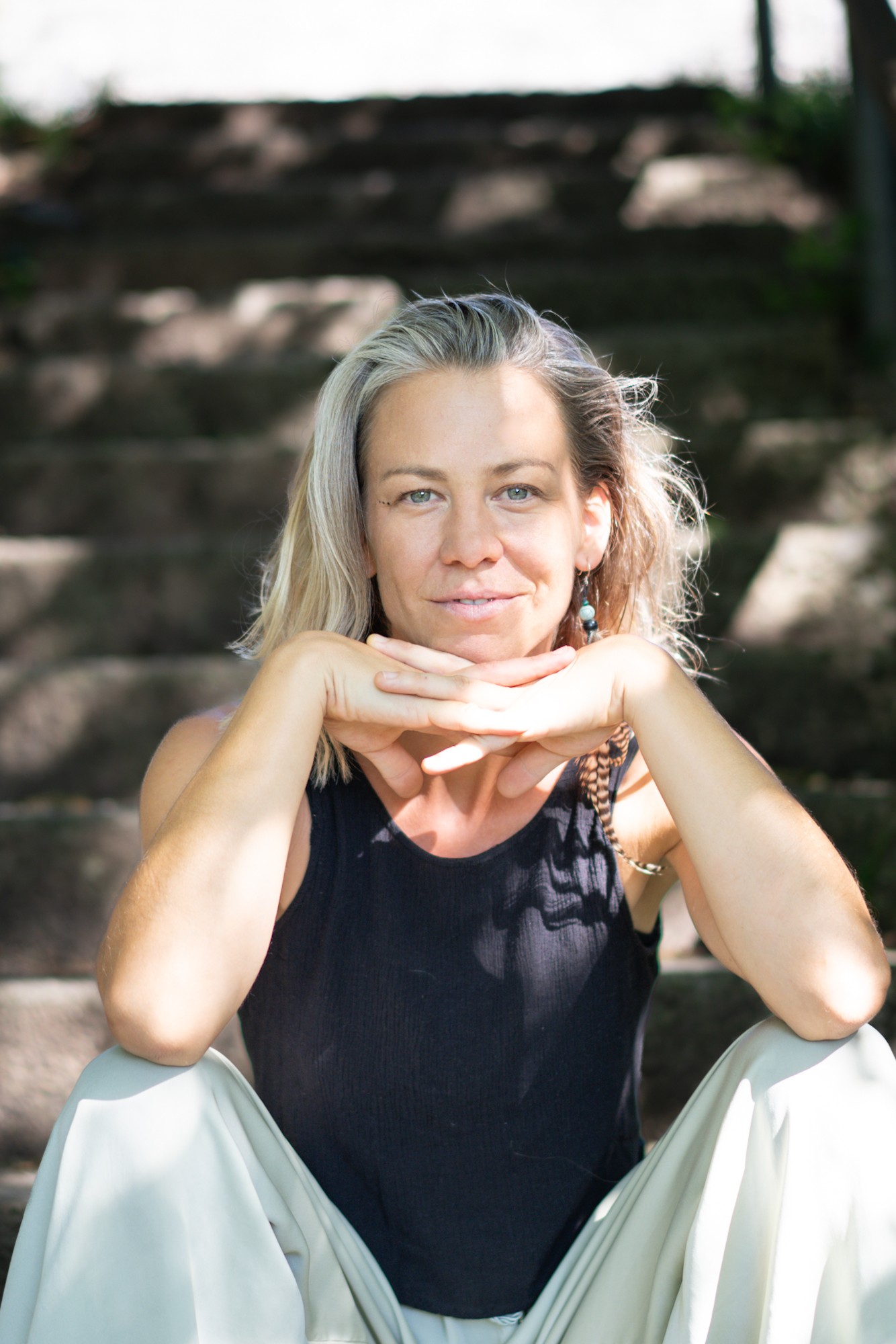
Schwaighofer Maria
Maria Schwaighofer is a trained educator, adult educator, seminar organizer and head of the GOLDEGGER DIALOGE since 2026. In addition to her undergraduate studies, she studied "Music and Dance in Social Work and Education" at the Orff Institute, pursued further trainings in crisis and trauma counseling and hypnosystemic therapy. She is a certified Kaula Yoga Tantra teacher, and offers Lomi Lomi Nui bodywork and shamanic counseling. www.mariaschwaighofer.at
Conditions for attending our Summer School:
For the SummerSchool attendants you need to register
- For Salzburg University Students: Course – Registration
- Summer School 2026 external Students: Registration
- Download Summer School Crossculture Program 2026
- for people under 30 REGISTER here: https://www.salzburger-hochschulwochen.at/2026/anmeldung-studierend. First registration of the SummerSchool will be served first | Comming soon!
Important notes:
- ROOM: If you have a private room in Salzburg and do not need to book a room, book the „Wochenkarte“ only.
- HELP & Information:
Direction to the University of Salzburg?
Arrival at Salzburg main station: Take trolleybus line 1 to the stop “Herbert-von-Karajan-Platz“. ⇒ On Herbert-von-Karajan-Platz turn northeast towards Universitätsplatz. ⇒ Turn right onto Universitätsplatz– the university is on the right hand side.
Arrival Salzburg Airport ⇒ Take trolleybus line 10 to the stop “Herbert von Karajan-Platz”. ⇒ On Herbert-von-Karajan-Platz turn northeast towards Universitätsplatz. ⇒Turn right onto Universitätsplatz – the university is on the right hand side.
Apply for a student paper:
All students are allowed to hand in papers. The papers have to focus on problems of crosscultural relations and give a concrete field example. This can include academical, methodical, hermeneutical, philosophical, theological, or other relevant perspectives. Please send an abstract with 150 words to Prof. Martin Rötting () till 15.07.2026.
Criteria to receive 3 ECTS:
In order to get 3 ECTS points you need to attend all lectures of the SummerSchool program, give a paper in the presentation slot and hand it in as an academic paper (10 pages, 12 New Times Roman, 1,5 space) to Prof. Martin Rötting ().