Welcome to the Center for Climate Change Resilience (CC:R)
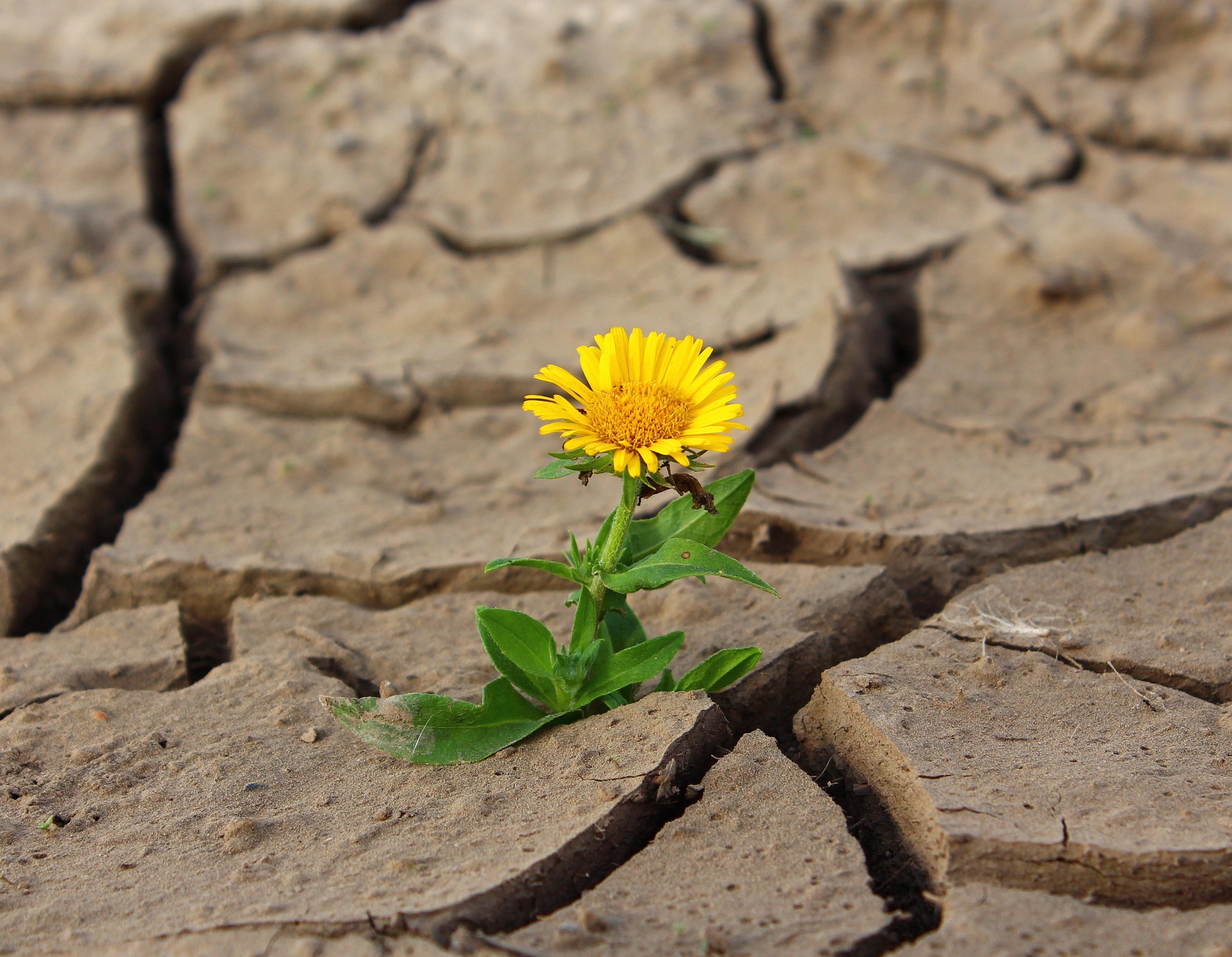
Focus on resilience
The global climate changes of recent decades pose profound challenges for societies, ecosystems, and economic systems. The question of resilience is increasingly at the center of scientific and social debate: How can we deal with the consequences of climate change, adapt, mitigate risks, and at the same time create sustainable living and economic spaces?
Resilience means strengthening the ability of social, ecological, and technical systems to be prepared for climate-related changes, to cope with disruptions, and to learn from them. In view of rising temperatures, increasing extreme events such as droughts, heavy precipitation, or landslides, and profound changes in the cryosphere, hydrosphere, and biosphere, resilience is becoming a key competence for the future. Mountain regions in particular, where warming is occurring at an above-average rate, exemplify the need to develop adaptation strategies, risk prevention, and sustainable transformation pathways.
Creating resilient livelihoods
Climate change affects not only physical spaces, but also the foundations of human life as a whole. It alters ecosystems, water availability, agricultural production conditions, and infrastructure. At the same time, climate-related stresses influence social stability, economic security, and mental well-being. This is where resilience research comes in: it examines how societies deal with uncertainty, how vulnerabilities can be reduced, and how adaptive, adaptive systems can be built. This also includes highlighting structural inequalities and developing transformative solutions that combine ecological stability with social justice.
The CC:R as a platform for resilience research
The University of Salzburg brings together comprehensive expertise on climate change resilience across numerous disciplines. The Center for Climate Research and Climate Change Resilience (CC:R) sees itself as an interdisciplinary and transdisciplinary platform that drives forward groundbreaking research on adaptation, mitigation, and systemic transformation.
The focus is on:
- the development of resilient ecosystems and landscapes
- technological resilience
- social resilience
In addition, the center acts as an interface between science and practice. In close cooperation with industry, politics, civil society, and NGOs, scientific findings are translated into concrete action strategies, technologies, and social innovation processes.
Resilience as a task for society as a whole
Building climate change resilience is a joint task. It encompasses ecological, technological, economic, and social dimensions in equal measure—from biodiversity conservation and the circular economy to education, health, and regional development.
The CC:R addresses this diversity in thematic focus areas (see Research) that integrate different perspectives on resilience and open up new areas for solutions. The goal is not only to understand risks, but also to actively design sustainable, robust, and regenerative systems.