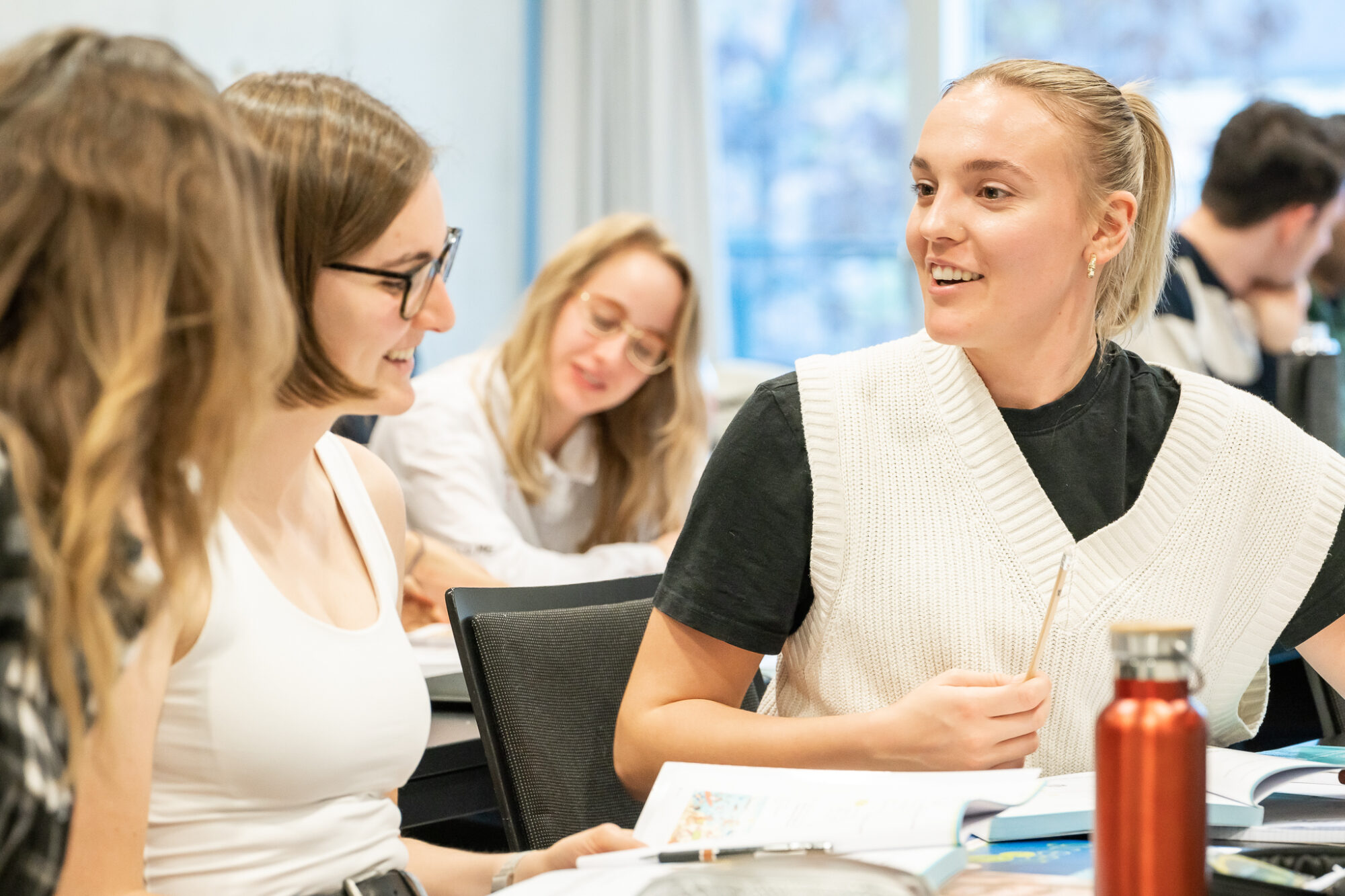

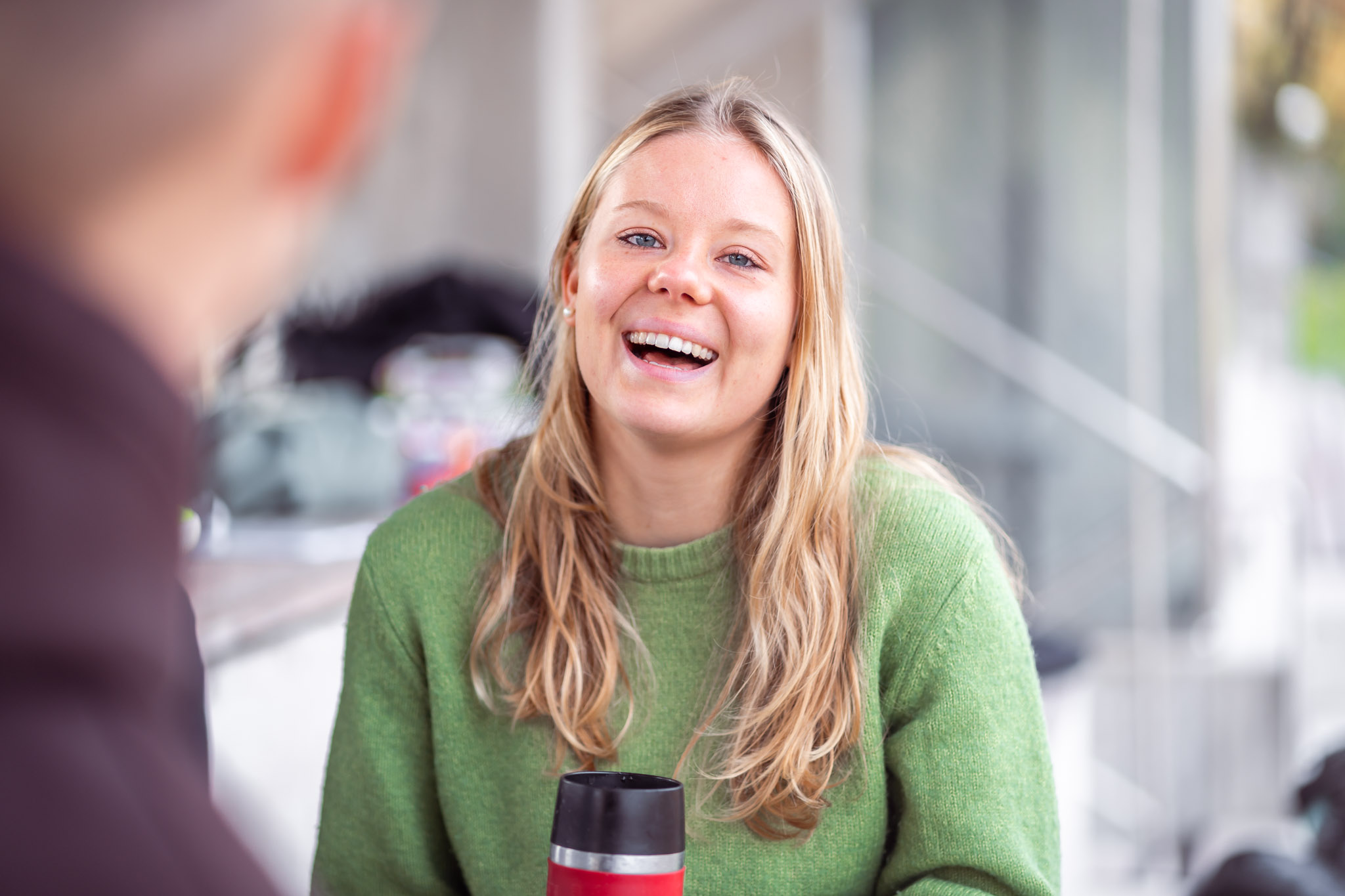


Female student is sitting on a bench with a laptop

ditact 2026: Registration open

ditact 2026: Registration open 

Once again this year, ditact offers a varied and innovative programme packed with exciting courses, workshops and talks on IT, digitalisation, AI, coding, data science, security and many other topics. From Monday 24 August to Friday 4 September 2026. Read more IN THE NEWS

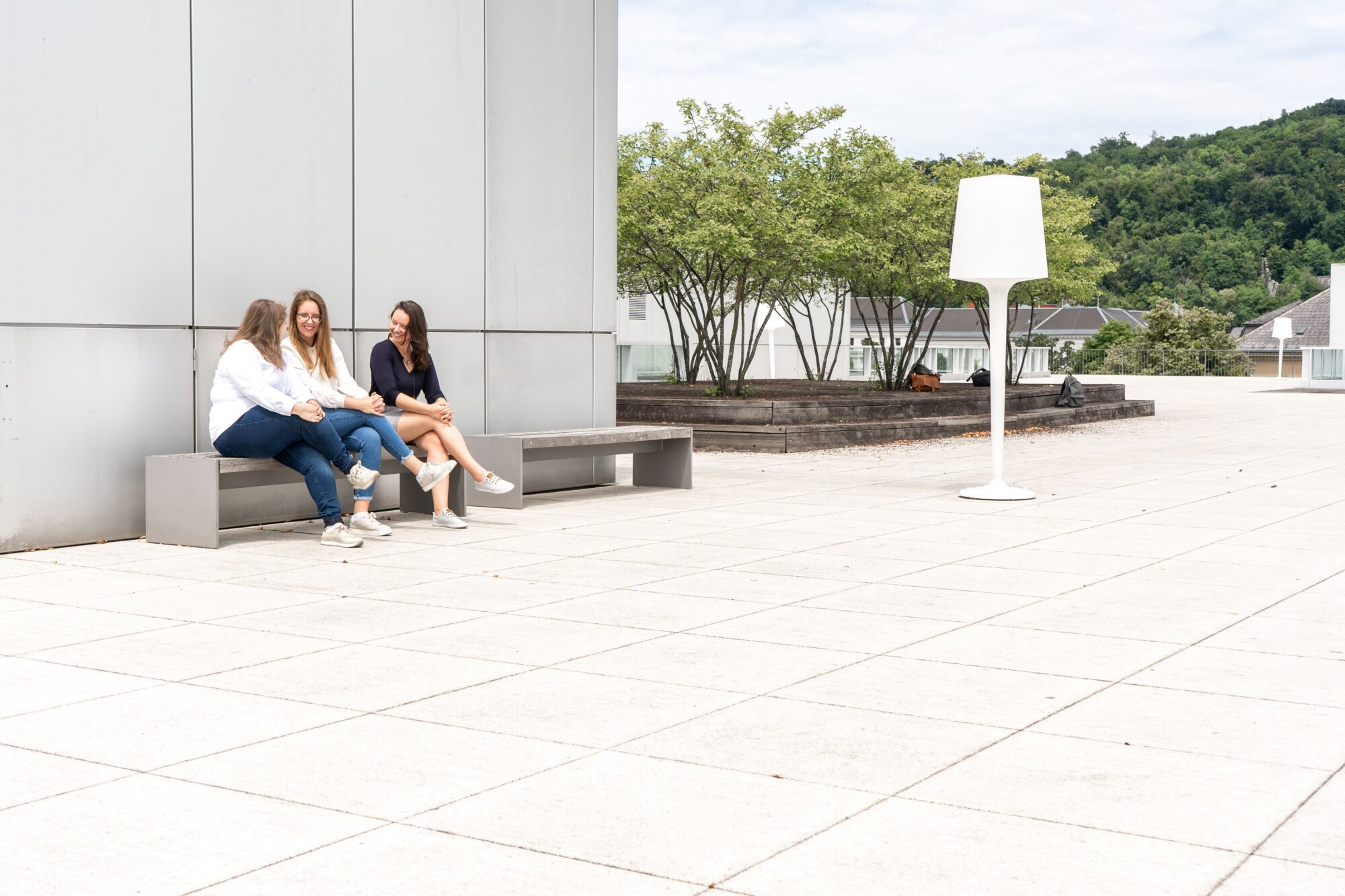
Studentinnen sitzen auf der Dachterrasse UNIPARK

Work Well, Live Well

Work Well, Live Well 

A workday begins more easily when health is part of the culture. Our workplace health system offers activities that strengthen both body and mind. An environment where you can work in a healthy and sustainable way. Learn more about our benefits ON THE WEBSITE

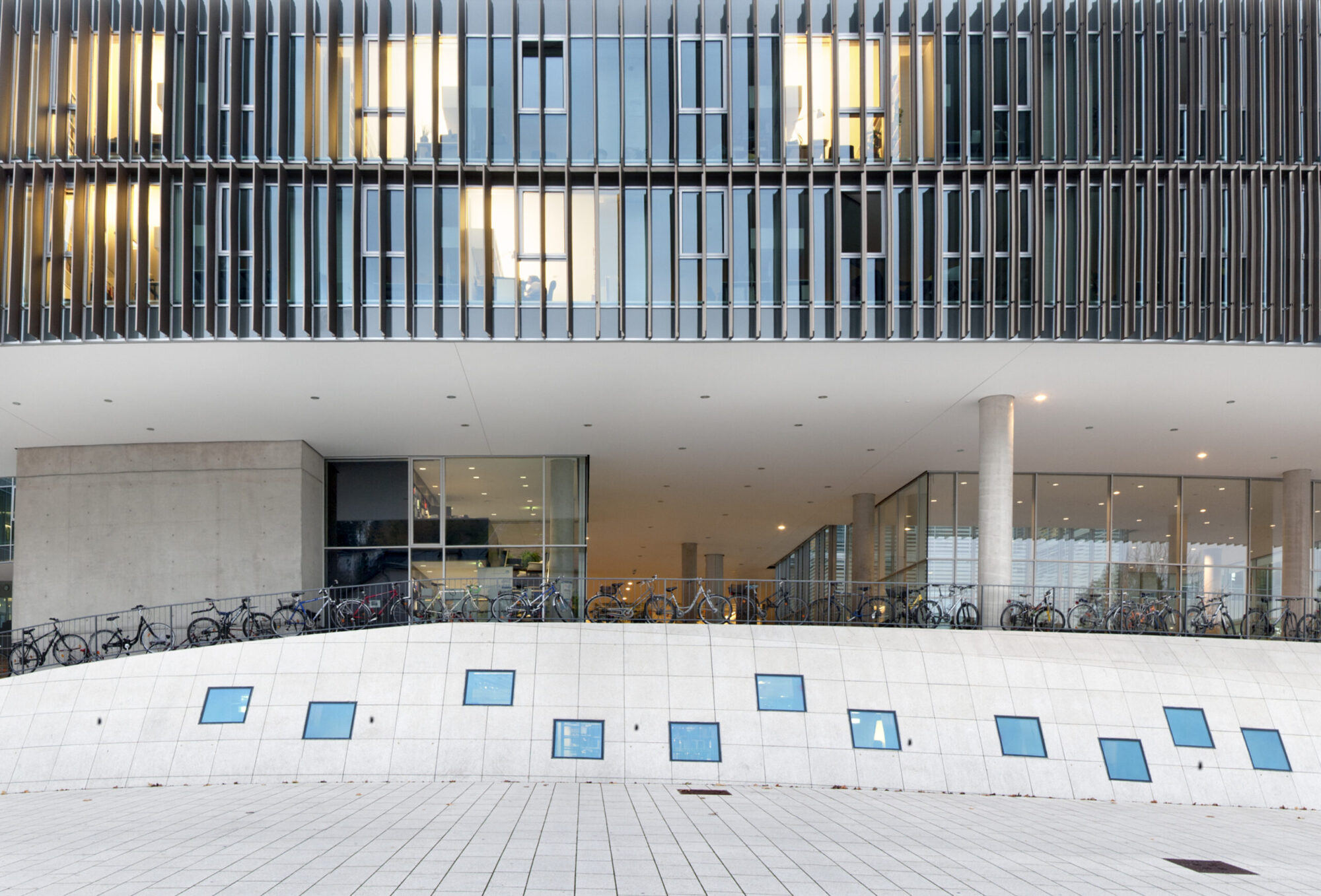
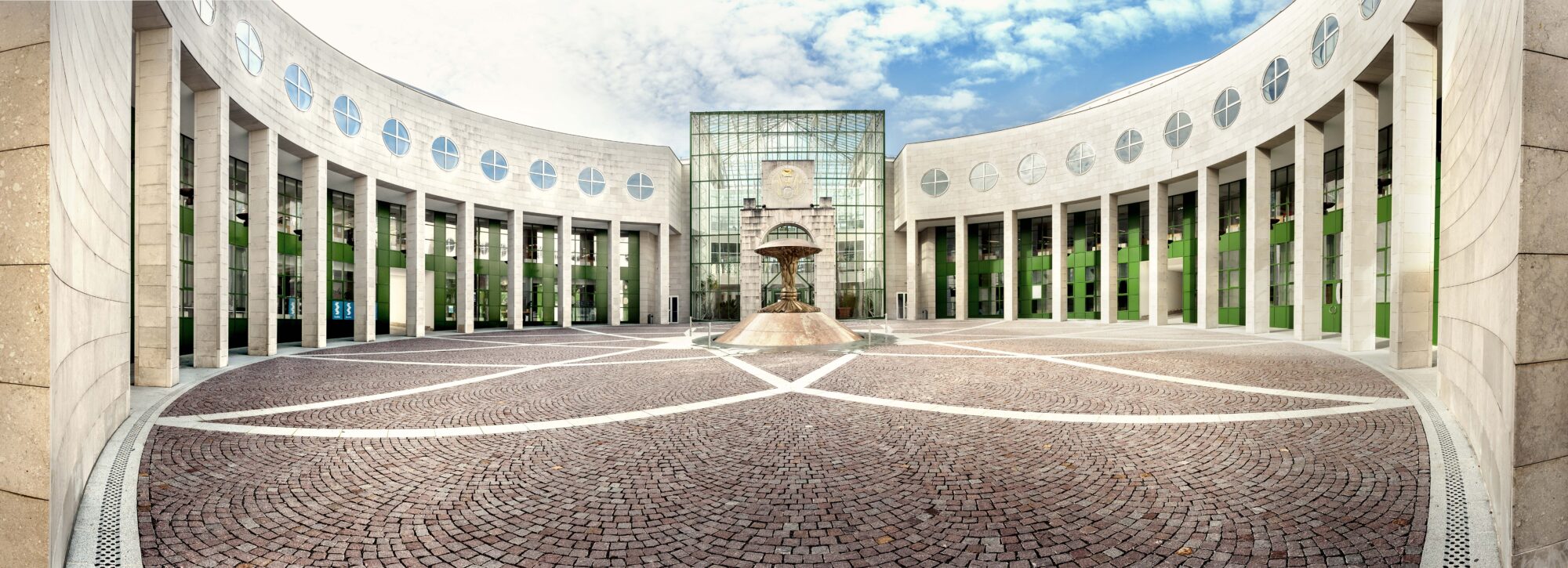
FREISAAL | NLW | Innenhof | Panorama | Uni-Standort | Architektur

The University of Salzburg

The University of Salzburg 

The University of Salzburg is the largest educational institution in Salzburg with almost 18,000 students and around 3,000 employees in research, teaching and administration. Read more in ABOUT THE UNIVERSITY OF SALZBURG

CIVIS Logo auf hellgrünem Hintergrund

CIVIS: Europe's Civic University Alliance

CIVIS: Europe's Civic University Alliance 

CIVIS is a European Civic University formed by the alliance of 17 leading research higher education institutions across Europe and Africa. It brings together a community of more than 470,000 students and 58,000 staff members. Read more ON THE WEBSITE

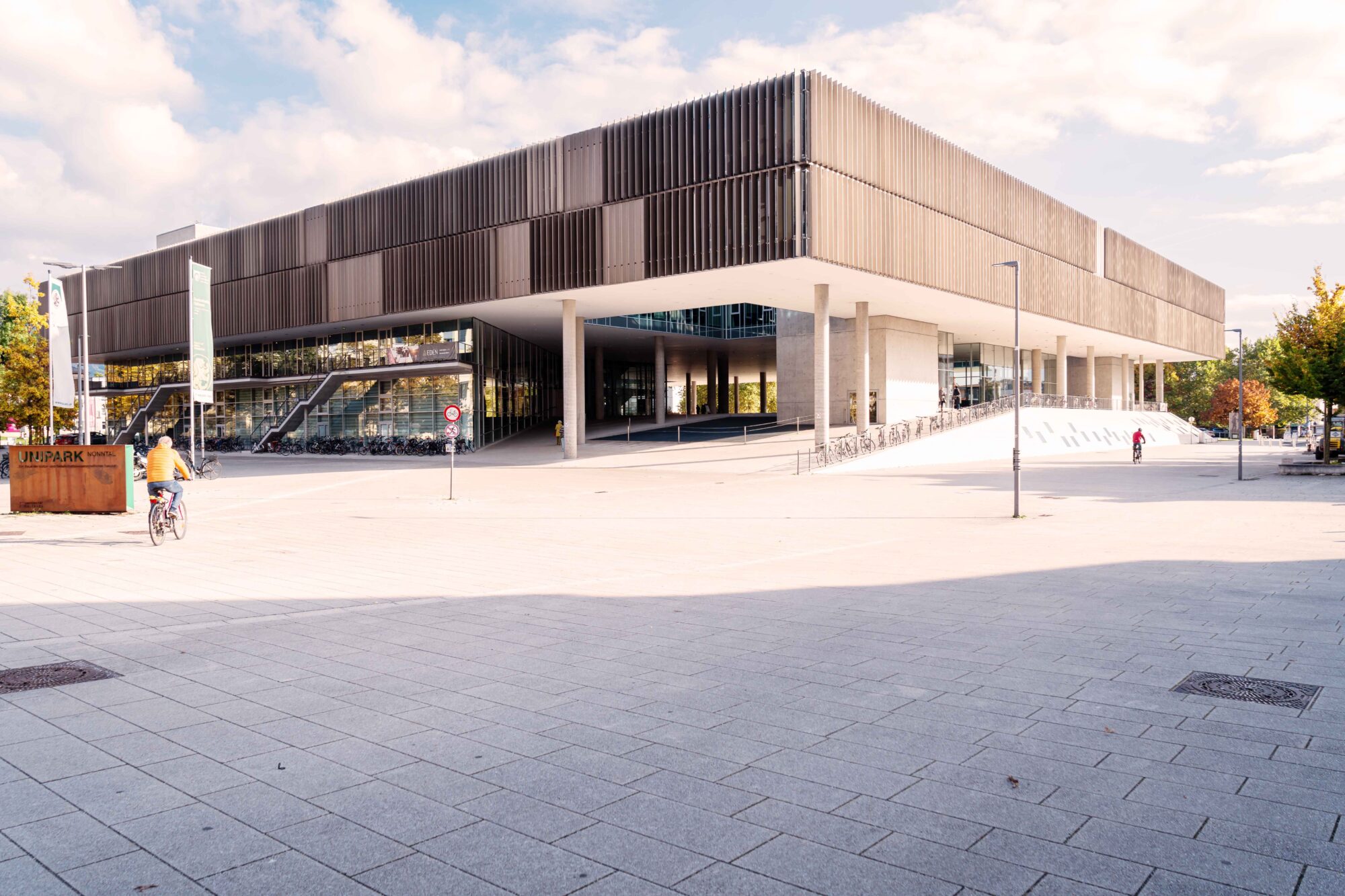
Unipark Nonntal im Herbst

Common areas

Common areas 

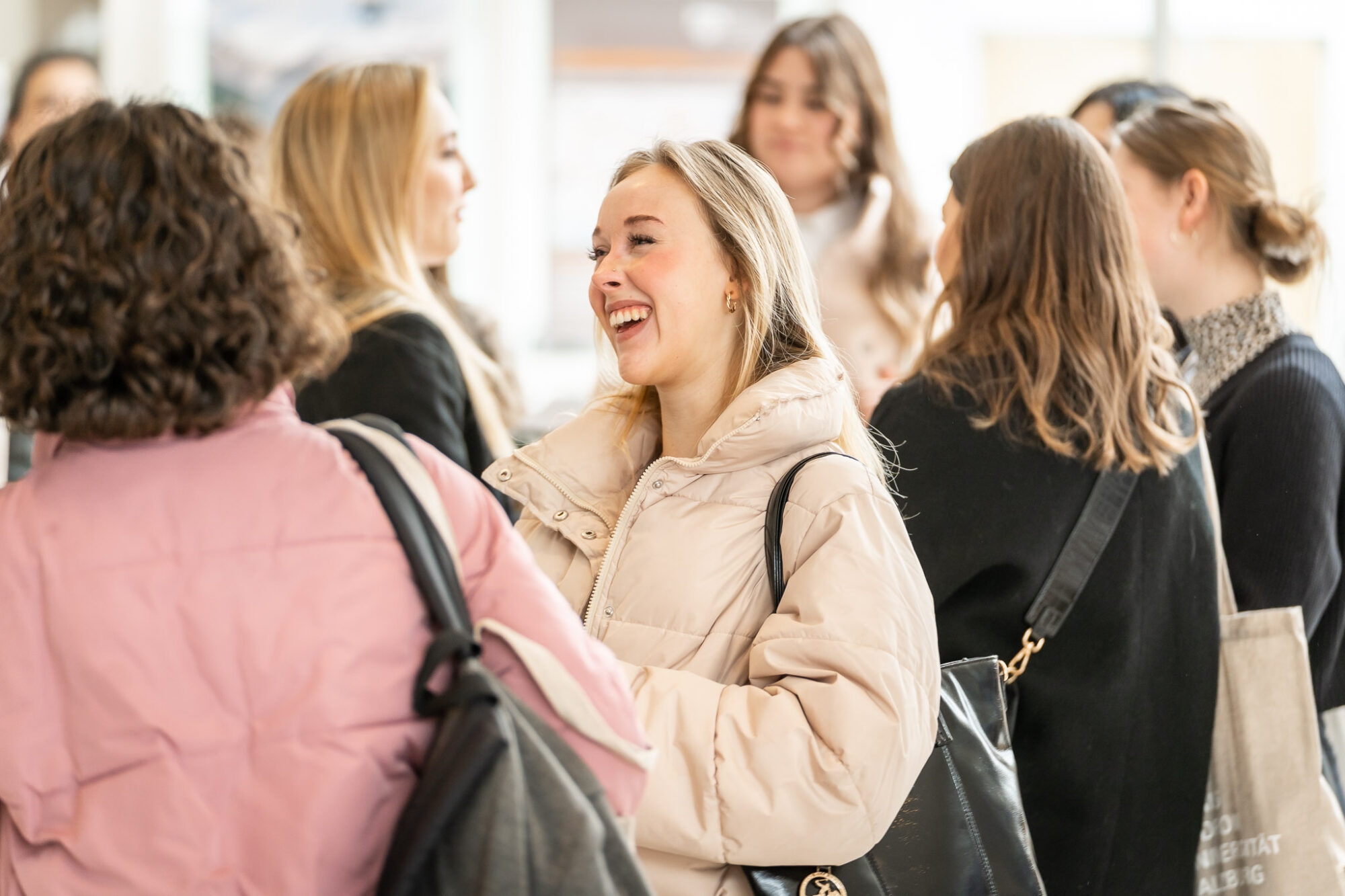
Our six faculties of the University of Salzburg offer consumption-free common areas. Here students can exchange ideas after lectures, study together and consume food and drinks that they have brought with them. Where? The answer can be found ON THE WEBSITE

Sunday28.06.26
Botanischer Garten Salzburg: Die Pflanzen der Bibel Im Botanischen Garten sehen Sie viele Pflanzen, die in der Bibel beschrieben werden. 11:00 o’clock
Tuesday30.06.26
Cracking the kinematic code The way we reach for objects, manipulate them, and hand them to others provides a rich window into our mental states. Our actions do not merely implement motor plans; they carry information about ongoing cognitive and decision processes: what we want and how much we want it, what we fear, what we expect, and what we plan to do next. In this talk, I will present a framework for determining whether and how individuals access this infor-mation to predict others’ behaviour. Invited by: Heed/SeegelkeHS 42410:15 o’clock
Tuesday30.06.26
Wired to Adapt: Brain Plasticity, Prediction, and the Aging Mind The human brain continuously reshapes its structure and function in response to experience, learning, and aging. This talk presents converging evidence from EEG, ERP, and structural MRI to reveal how the brain sustains cognitive resilience across the lifespan. I will demon-strate how prediction shapes the brain’s encoding of statistical regularities, with neural sig-natures such as the N300 and beta oscillations reflecting the precision of learned temporal patterns. I will further show how hemispheric asymmetries underpin semantic and language processing, and how these finely tuned mechanisms are challenged by the aging brain. Crit-ically, structural MRI evidence reveals that multilingual experience preserves gray matter integrity in the left anterior temporal lobe, reinforcing social semantic processing and buff-ering against loneliness in aging populations. Together, these findings position cognitive reserve as a dynamic, experience-driven capacity rooted in the brain’s remarkable adaptive potential. Invited by: Weisz/ChanHS 42414:00 o’clock
Teilbibliothek Rudolfskai

As part of the modernisation of the first floor of the Rudolfskai Library, construction work will begin in mid-June 2026, resulting in temporary restrictions to library services.

Unipark Nonntal

9–11 July 2026 | Presence: We invite contributions to the 8th biennial conference of the international Gender & STEM network. The conference aims to advance understanding of the multifaceted and interrelated factors that shape gendered educational and career pathways in STEM (Science, Technology, Engineering, and Mathematics). These issues are gaining growing significance across a range of disciplines, each bringing distinct theoretical and methodological perspectives.

Angel in Kollegienkirche

3–7 August 2026 | Presence: The summer school “The Body in Religion: Embodiment, Practice, and Identity” in Salzburg brings together students and researchers from Nairobi, Haifa, Salzburg, Seoul (Dongguk), Yogyakarta (UGM), Varanasi (BHU) and Bologna to explore, at the intersection of theory and practice, how bodies shape religious life and identity – and are shaped by them.