Understanding Cellular Aging
Aging is an obvious feature of life, yet the molecular processes that drive it are remarkably complex. Rather than being caused by a single mechanism, aging emerges from progressive changes in multiple interconnected cellular systems that maintain homeostasis throughout life.
Our research focuses on understanding these interactions at the molecular and genetic level. We are particularly interested in mitochondrial function and oxidative stress, protein homeostasis and cellular quality control, lipid metabolism and lipid droplets, autophagy, and the communication between cellular organelles. Together, these processes determine how cells respond to stress, remove or repair damaged components, and maintain their function over time.
Mitochondria & Oxidative Stress
Energy Comes at a Cost
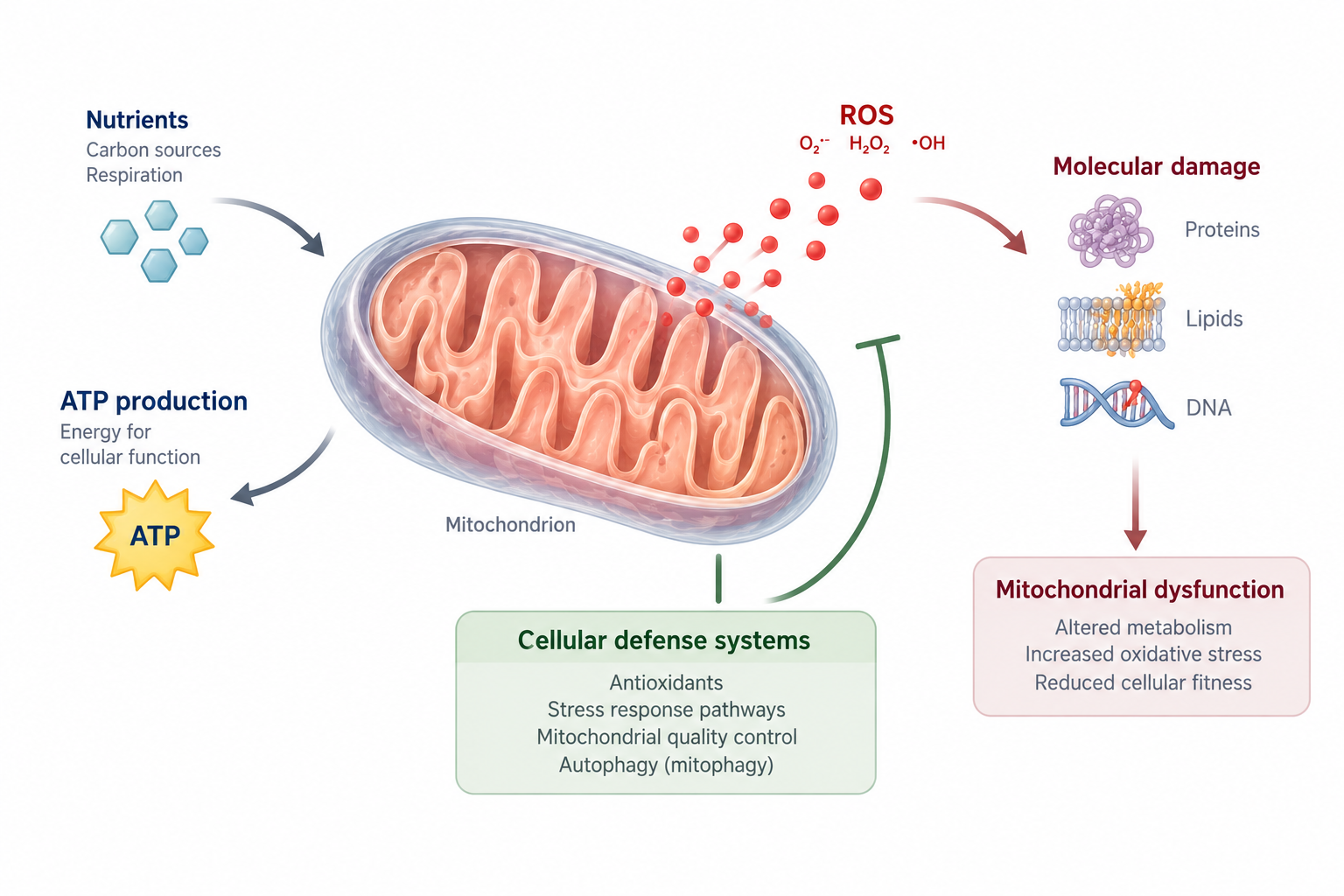
Mitochondria are central to cellular metabolism and energy production, but their function changes considerably during aging. Mitochondrial dysfunction can alter cellular redox homeostasis and contribute to increased oxidative stress, affecting proteins, lipids, DNA, and other cellular components. At the same time, reactive oxygen species are not simply damaging by-products of metabolism. At controlled levels, they also act as signaling molecules and can activate adaptive stress responses. We investigate how mitochondrial function, oxidative stress, and cellular defense mechanisms interact, and how changes in this balance influence cellular fitness and aging.
Proteostasis & Cellular Quality Contol
Keeping Proteins Functional
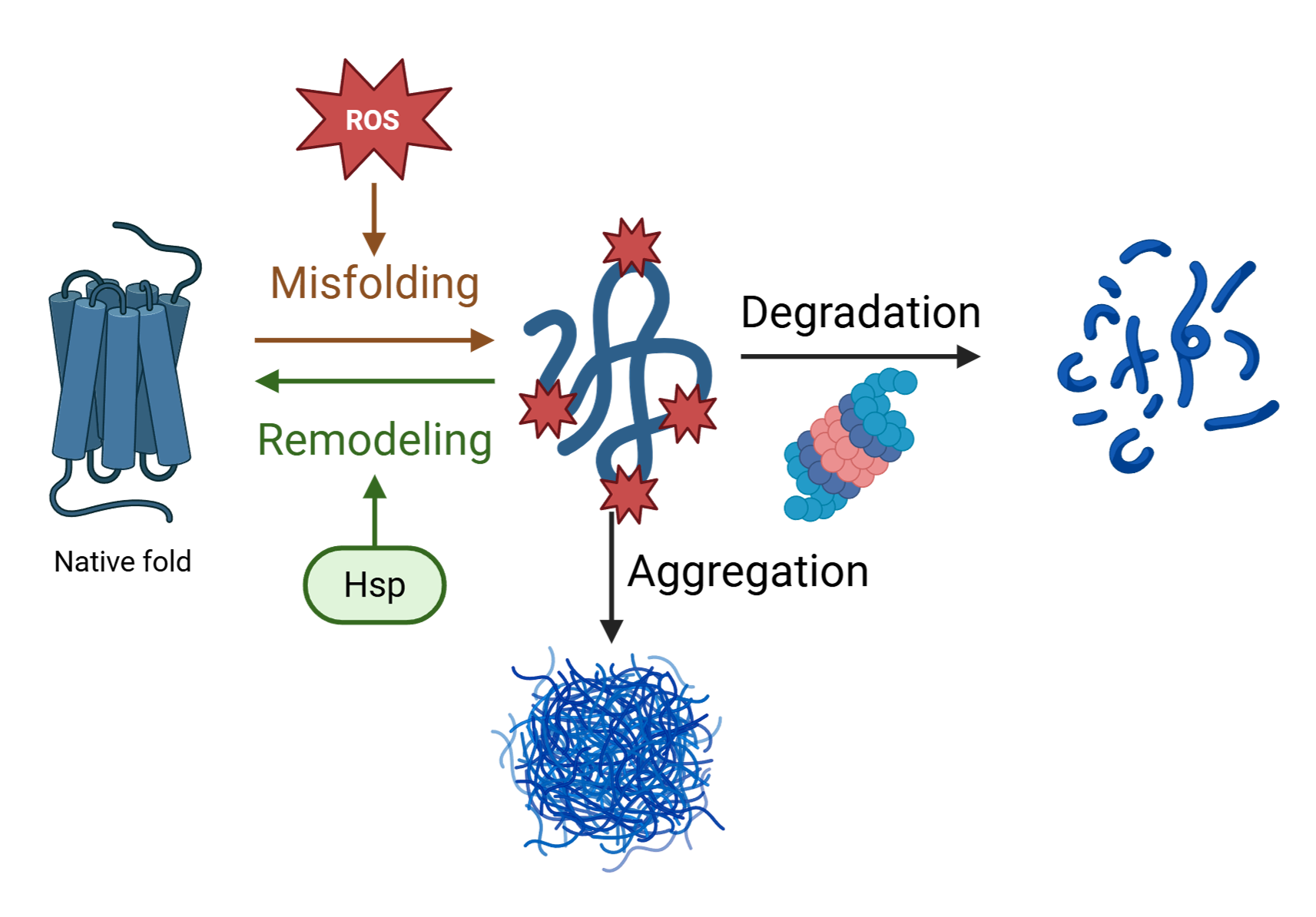
Cells depend on a functional proteome. Damaged, misfolded, or aggregated proteins must therefore be recognized, managed, and ultimately removed. An extensive network of molecular chaperones, protein quality-control pathways, and degradation systems maintains this balance. We investigate how cells organize and handle protein aggregates, how different quality-control pathways cooperate, and what happens when these systems become overwhelmed.
NEURODEGENERATION & DISEASE MODELS
From Proteins to Disease
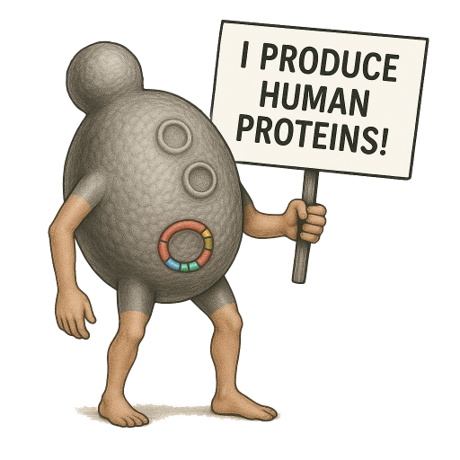
Age is a major risk factor for many neurodegenerative diseases, which are often characterized by the accumulation of misfolded and aggregated proteins. We use humanized yeast models expressing disease-associated proteins such as α-synuclein, TDP-43, and mutant huntingtin to investigate the cellular processes that influence protein aggregation and toxicity. These models combine the simplicity and genetic accessibility of yeast with proteins directly relevant to human disease.
LIPID DROPLETS & ORGANELLE COMMUNICATION
More Than Fat Storage
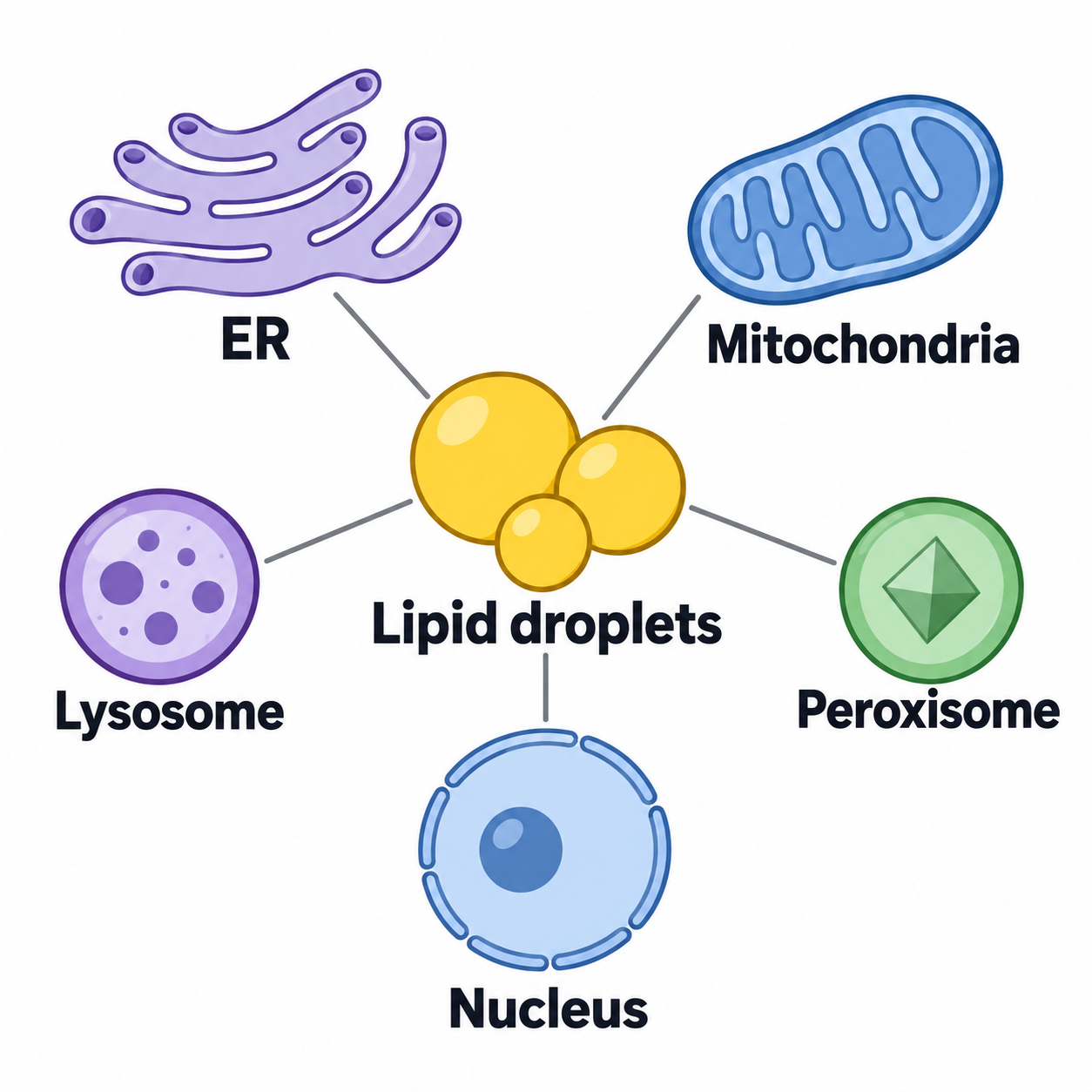
Lipid droplets were long regarded mainly as cellular fat-storage compartments. Today, they are recognized as dynamic organelles involved in a much broader range of cellular processes. We investigate how lipid droplets respond to changing cellular conditions, interact with other organelles, and contribute to cellular stress responses and quality control. By studying these connections, we aim to better understand how lipid metabolism is integrated with other cellular systems during aging.
CELLULAR AGING & LONGEVITY
What Determines Cellular Lifespan?
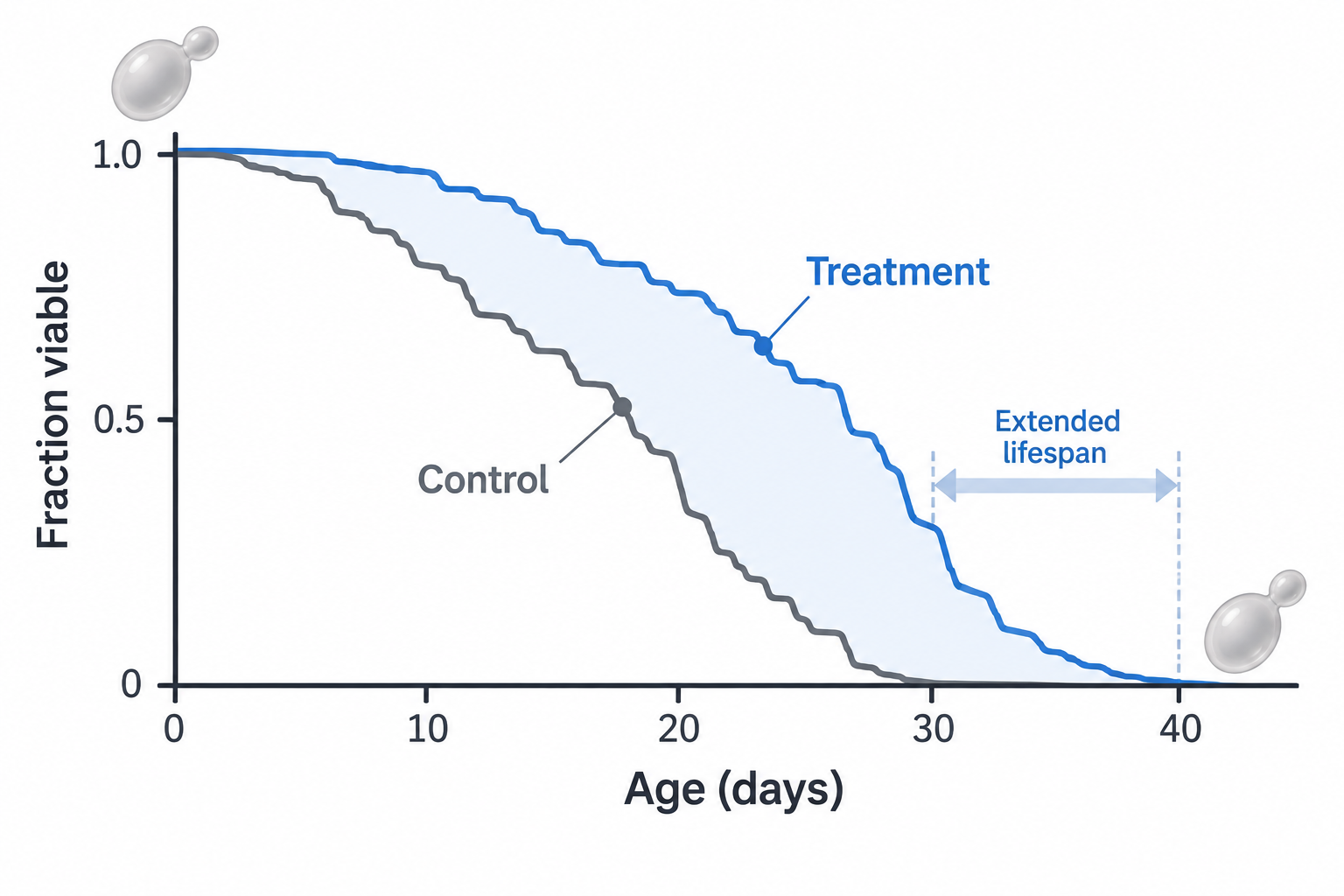
Why do some cells maintain their function longer than others? Aging is shaped by genetic and environmental factors and by changes across multiple cellular processes. We investigate how metabolism, stress responses, cellular quality control, and organelle function influence lifespan. Using genetic approaches and interventions that modulate conserved aging pathways, we aim to identify mechanisms that promote cellular resilience and longevity.