SOCIOLOGY: SOCIETY, SPACE & TRANSFORMATION, MSSC
| Apply now | 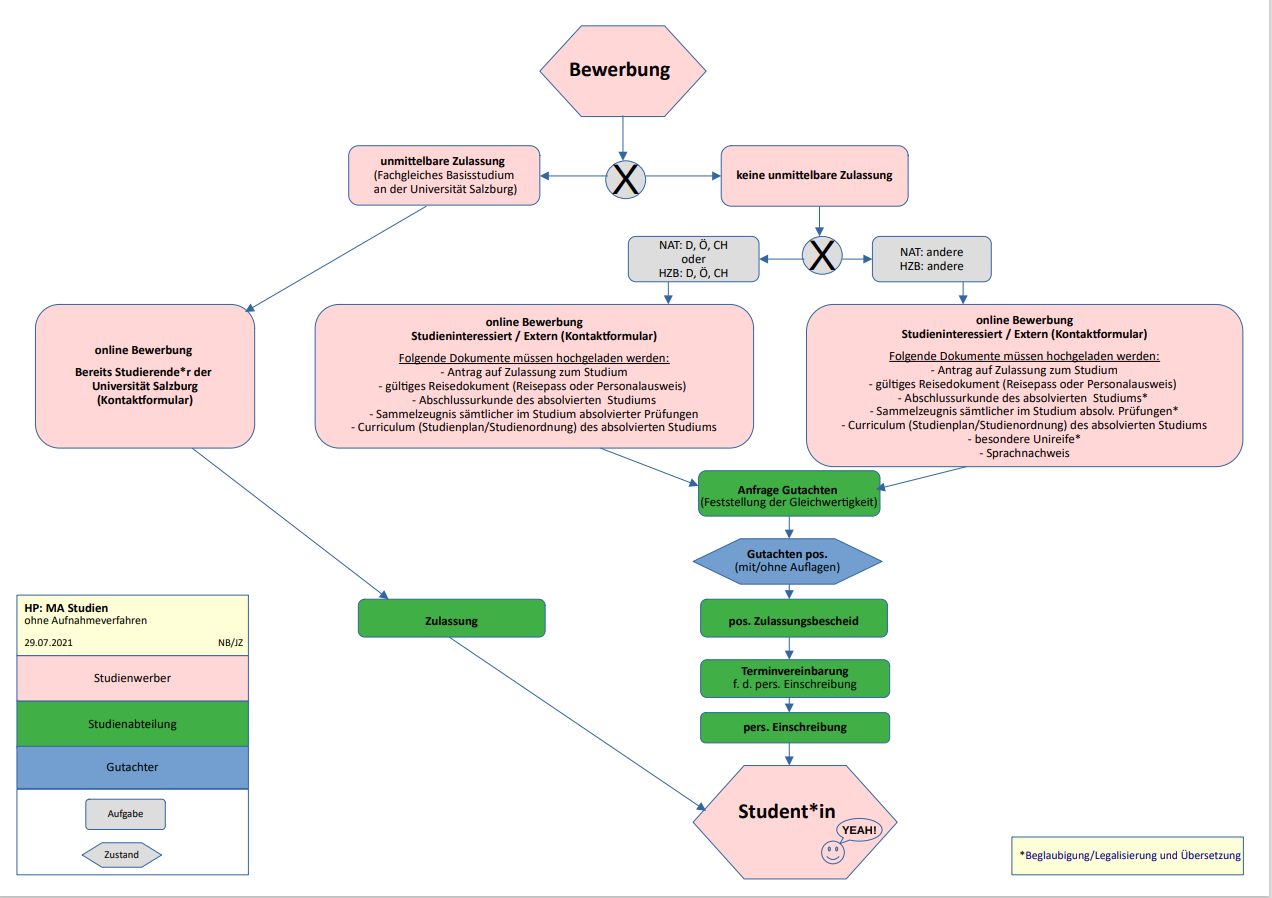 |
| Course Duration / ECTS | 4 semesters / 120 ECTS |
| University degree | Master of Social Science (MSSc) |
| Admission Requirements and Curriculum | · In order to be admitted to the Master’s degree course in Sociology, students must hold a Bachelor’s degree in Sociology or in a related field from another accredited inland or international institution of higher education. · Curriculum |
| Language of instruction German | Proof of language proficiency |
| Dates and Deadlines | · The dates and deadlines change every semester. · The current deadlines and dates can be found here. |
| Information on the department and departmental student representatives | Department of Sociology and Human Geography |
Are you already a student at the PLUS and want to take up this study program as well – or switch? Please contact the Office of Admissions via the link below.
If you still need help or advice after enrolling (registering for a study program), you will find important links here.
What will I learn?
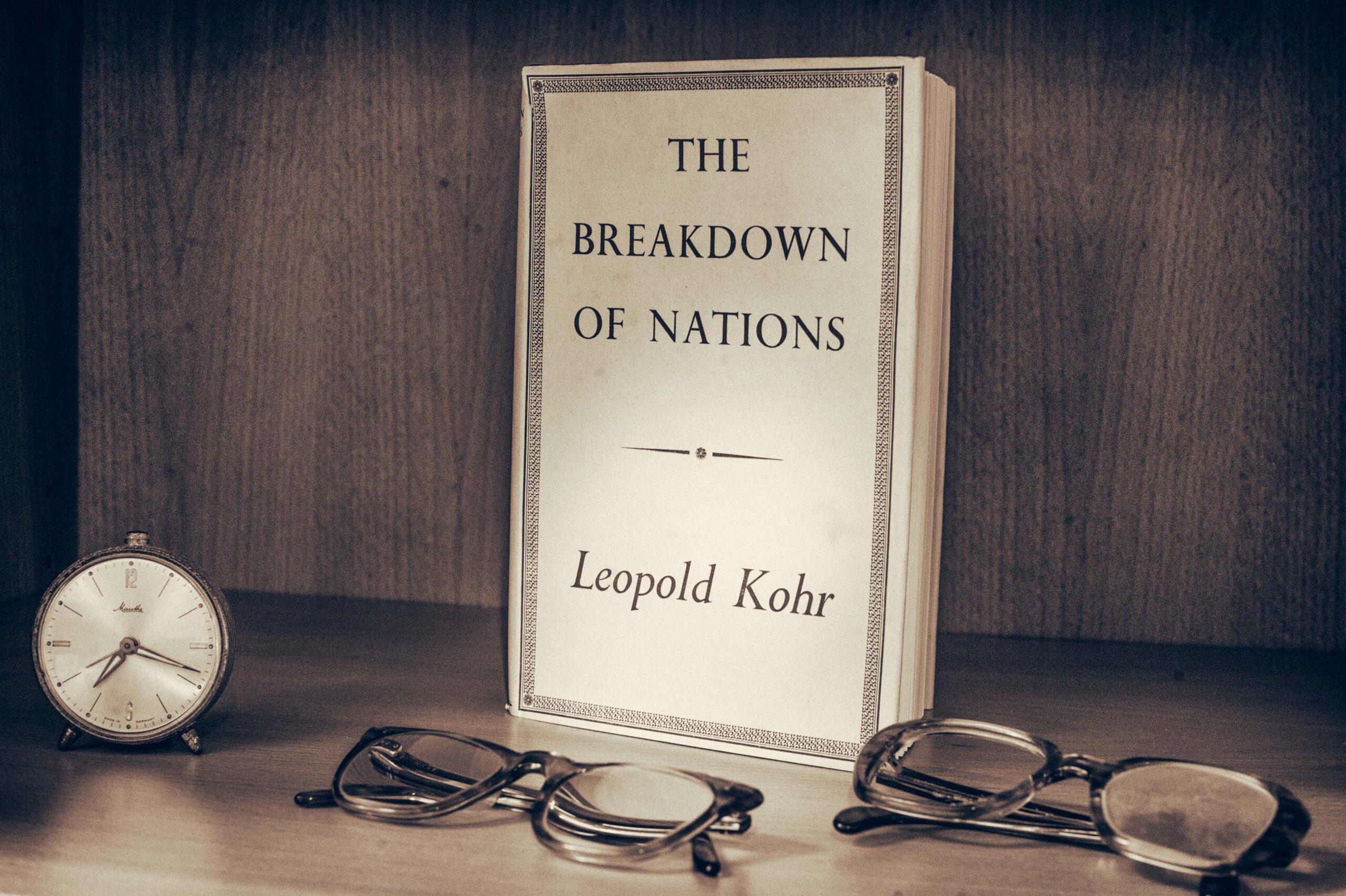
The Master’s programme ‘Sociology: Society, Space & Transformation’ is a study program unique in the German-speaking region, combining sociology with a human-geographical perspective. Students examine social processes and their spatial relations – from local to global. Climate change, migration, digitalisation and production networks connect social spaces, drive social change and transform working and living conditions. How people experience this and how social inequalities develop depends on resources, social positions and place – evident, for example, in family life, education, housing, work and leisure. In shared core modules, students develop an integrated theoretical understanding of space, power, difference and transformation, acquire skills in quantitative and qualitative social research, and adopt a critical and reflective perspective. In addition to deepening their knowledge of sociological theories and methods of empirical social research, particular emphasis is placed on the ability to critically evaluate sociological concepts and to apply the skills acquired in selected areas of specialisation (Migration and Mobility | Working and Living Conditions | Socio-ecological Transformations | Methods of Empirical Social Research). Students on the Master’s program are equipped to independently design, organise and carry out sociological research and to produce social-scientific expertise. The course language is German, select modules are taught in English.
Which career opportunities do I have?
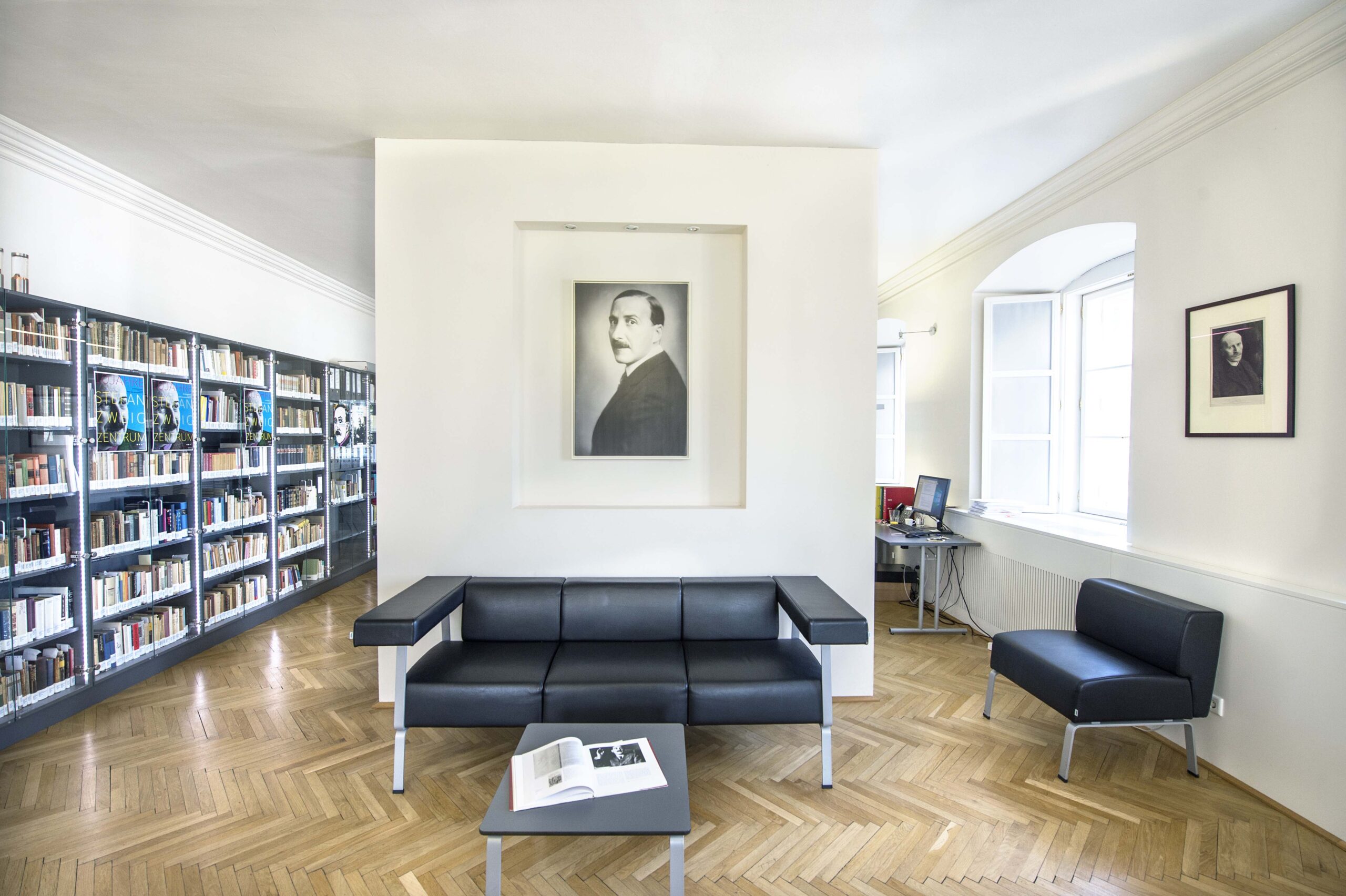
The Master’s program in ‘Sociology: Society, Space & Transformation’ provides advanced academic training. Graduates can pursue careers in fields such as: social science research institutions within and outside universities I applied social research (e.g. market research and public opinion research) I public administration I urban and regional development I policy consultancy (e.g. social policy and environmental policy) I adult education, vocational training and continuing professional development | analysis and consultancy regarding social issues (e.g. social work) and social planning (e.g. in private and public sector organisations) I sociologically relevant areas of work in private companies (e.g. human resource management, organisational consultancy, staff development) I Media, information technologies (e.g. public relations) I Associations and political parties I Social profit organisations, NGOs, think tanks I Leisure and cultural institutions.
Contact

Dr. Martin Stempfhuber
Head of the curriculum committee Sociology
Rudolfskai 42, 5020 Salzburg
Tel.: +43 662 8044-4107
E-Mail:
Photographs: © Luigi Caputo (1&2)