ECOLOGY AND EVOLUTION, MSc
| Apply now | 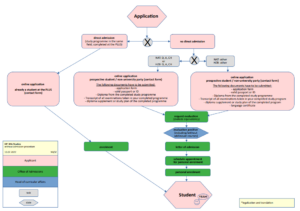 |
| Course Duration / ECTS | 4 semesters / 120 ECTS |
| University degree | Master of Science (MSc) |
| Admission Requirements and Curriculum |
· Students must hold a Bachelor’s degree (or comparable degree) in an equivalent or related field from an accredited Austrian or foreign institute of higher education. · Competence Check at VFS Global · Curriculum |
| Language of instruction English | Proof of language proficiency |
| Dates and Deadlines | · The dates and deadlines change every semester. · The current deadlines and dates can be found here. |
| Contact the department and departmental student representatives |
Department of Environment & Biodiversity |
What will I learn?
Ecology and evolution help you truly understand the living world – from the smallest genetic changes to global ecological processes. You explore how organisms are structured, how they function, and how they change over time. You learn how species, populations, and individuals adapt to their environments through genetic, morphological, physiological, and behavioral traits. A central focus lies on the interactions among organisms and between organisms and their environment, as well as on the processes that shape, maintain, or threaten biodiversity. In the Master’s program Ecology and Evolution, you deepen this knowledge in a practice-oriented and forward-looking way. You investigate ecological and evolutionary processes across different spatial and temporal scales and develop a solid understanding of the conservation, protection, and sustainable use of natural resources. Working in integrative, experimental, and interdisciplinary settings—often within international research contexts—you are well prepared to actively contribute to solutions for today’s major environmental and biodiversity challenges.

What makes Salzburg so special as a place to study?
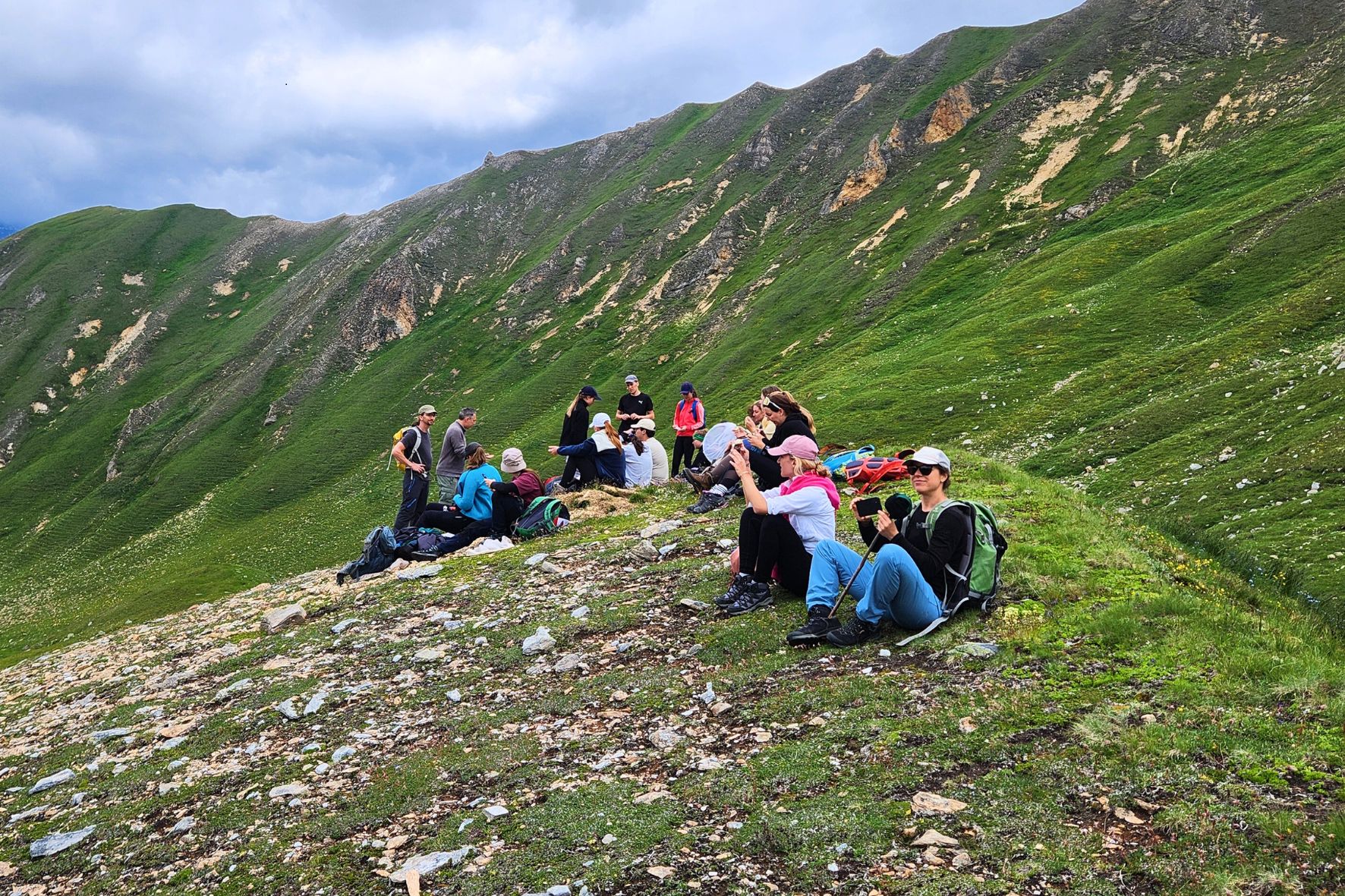
Salzburg is the ideal place for studying ecology and evolutionary biology. The geographical position at the margin of the Alps does not only offer plenty of possibilities for recreation, but also for field courses, practical courses and master topics. The integration of theoretical foundations of ecology and evolution with research-related field and lab courses in a variety of scientific disciplines is definitely a plus in this MA course. Students are usually integrated in ongoing national and international research projects and acquire high general research skills.
Which career opportunities do I have?
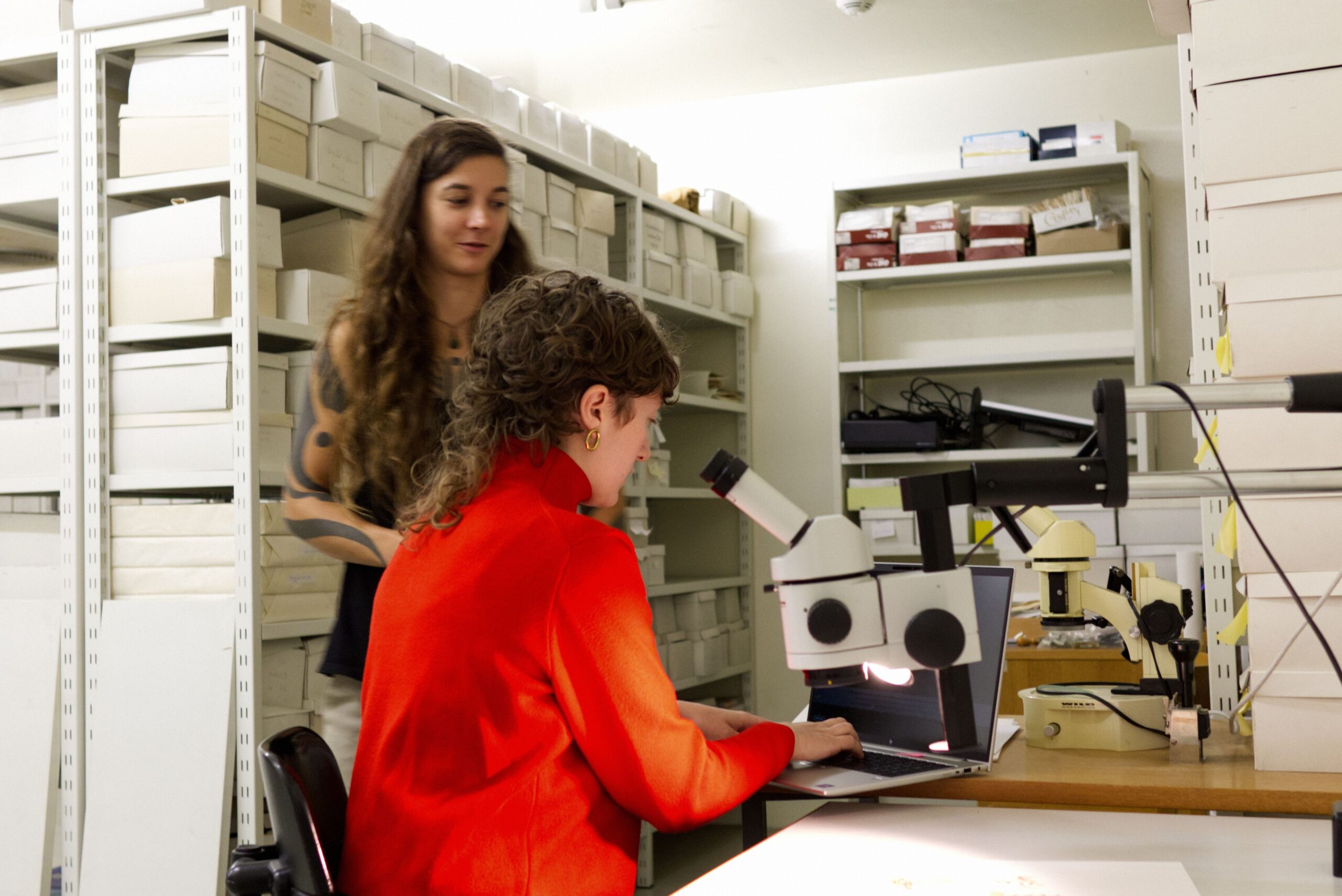
With a Master’s degree in Ecology and Evolution, you gain access to a wide range of scientifically and socially highly relevant career opportunities, including the option to pursue a doctoral (PhD) program. You may work in research and teaching at universities or non-university institutions or further specialize through academic research. Career paths also include curatorial and environmental education roles in botanical and zoological gardens, museums, scientific collections, and nature or national parks. In addition, you can pursue positions in the public and private sectors, for example in nature and environmental conservation, landscape management, energy and resource planning, or climate impact research and adaptation, including participation in political and societal advisory and decision-making bodies. Further opportunities arise in applied research, development and consulting in fields such as pharmaceuticals, environmental chemistry, biotechnology, genetic engineering, agriculture and forestry, or the food industry, as well as in botanical and zoological forensics, science journalism, publishing, and media.
Postgraduate degree:
Doctoral Programme at the Faculty of Natural and Life Sciences
Photographs: © Luigi Caputo (1-3)