Habitat Use and Trophic Interactions in Agricultural Open Landscapes
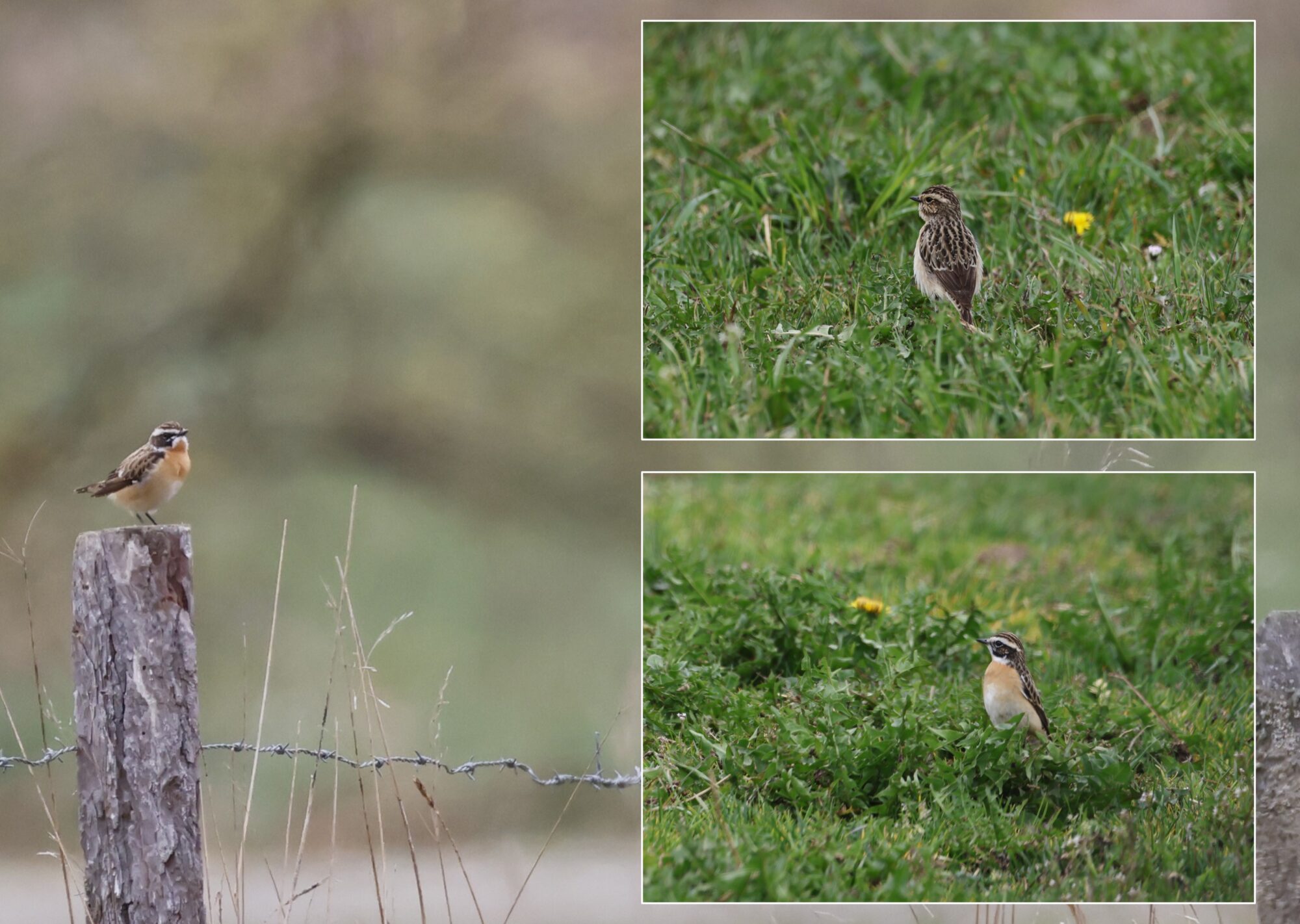
Topic & aims: Species in open landscapes are closely linked to the structure and management of their habitats. Changes in agricultural practices, habitat structure, and landscape composition strongly influence resource availability and, consequently, the occurrence and reproductive success of many organisms. Within the TriO-Hab project, we investigate how birds, insects, and small mammals respond to these environmental conditions and how habitat structure, food availability, and land use interact. A particular focus lies on identifying the factors that shape habitat selection, trophic interactions, and habitat quality in grasslands, and on deriving practical conservation measures. The overall aim is to develop an integrative understanding of open-land ecosystems to help counteract ongoing biodiversity loss in agricultural landscapes.
Approaches & methods: We combine field-based ecological surveys with modern technological and analytical approaches. These include mapping bird territories and butterfly occurrences, assessing arthropod biomass, and studying small mammals and predation pressure using camera traps and hair tubes. Habitat structures are quantified through field surveys as well as drone flights and satellite data using multispectral sensor systems, while climate data loggers record microclimatic conditions. These datasets are complemented by laboratory analyses and statistical modelling to investigate relationships between habitat characteristics, food resources, and species occurrence. By integrating these methods, both species-specific and broader ecological patterns in open landscapes can be analysed.
Further information on the individual projects in the Lungau region can be found here: https://www.plus.ac.at/umwelt-und-biodiversitaet/forschung/fachgebiete-der-zoologie/ag-petermann/bsc-msc-projects/