Political and Intercultural Psychology
The goal in our team Political and Intercultural Psychology is to understand the basic group processes that drive our everyday life, including how we interact with people of different backgrounds, make political decisions, and decide what is best for us. In our research, In our research, we examine how people interact with individuals from different backgrounds, how they make political decisions, and how they evaluate what is best for themselves. Currently, we focus on the topics of criticism within and between groups, as well as group reactions to performance deviants. Both research areas are generously supported by the FWF through two projects, the FWF project ISEai and the FWF START group DTG. In addition, we investigate collective planning. This goal also guides our teaching and within the meaning of third mission we share our research findings with news outlets and the public.
Presentation of Our Research at the EASP General Meeting 2026
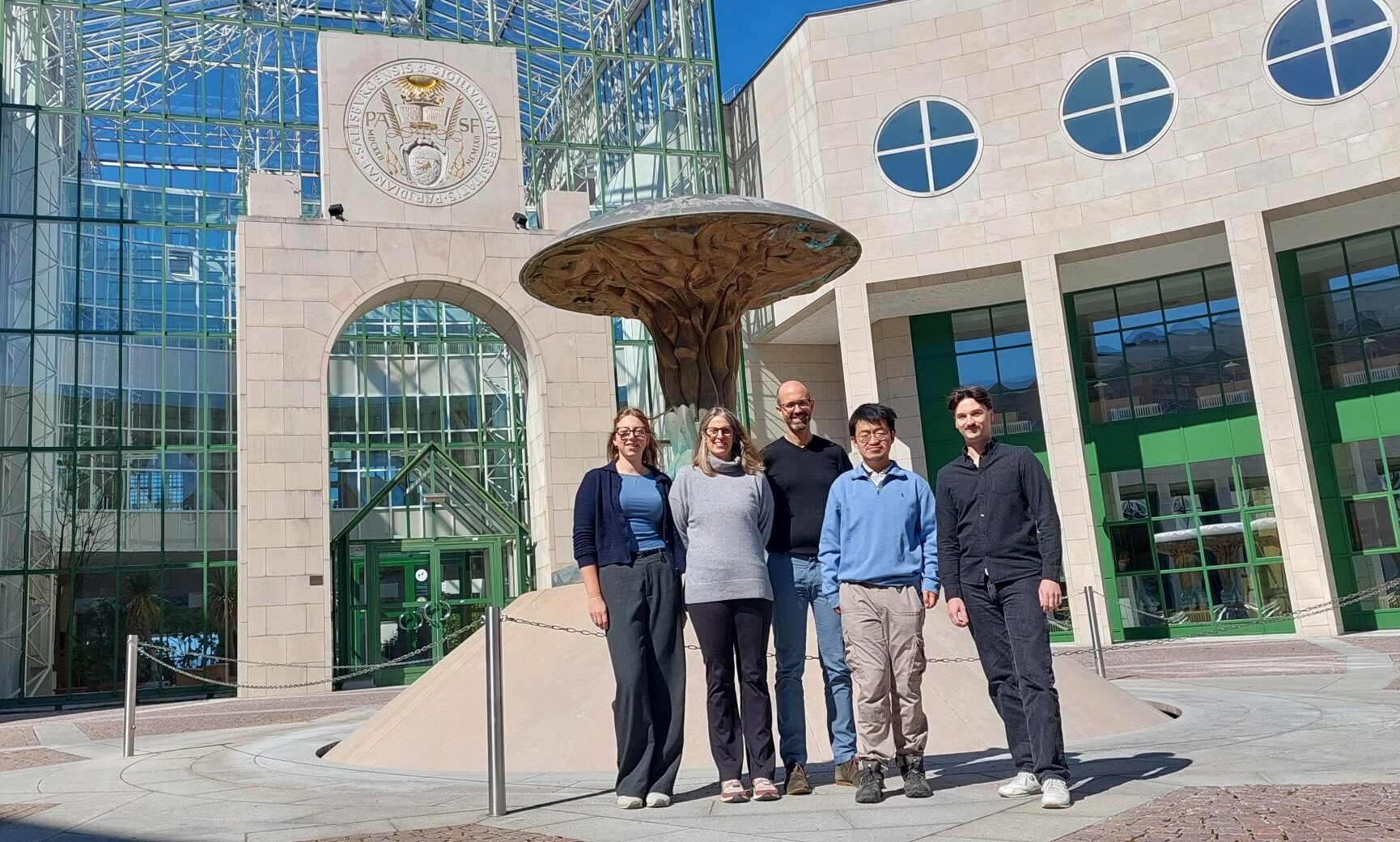
From June 30 to July 4, 2026, our Political and Intercultural Psychology research group participated in the European Association of Social Psychology (EASP) General Meeting in Strasbourg. Lukas Thürmer, Kaiyuan Chen, and Jeremias Braid presented current research from our team and discussed their findings with international experts in social psychology. Participation in this high‑profile conference strengthens our scientific visibility and fosters exchange on central questions of political attitudes, intercultural dynamics, and social cognition.
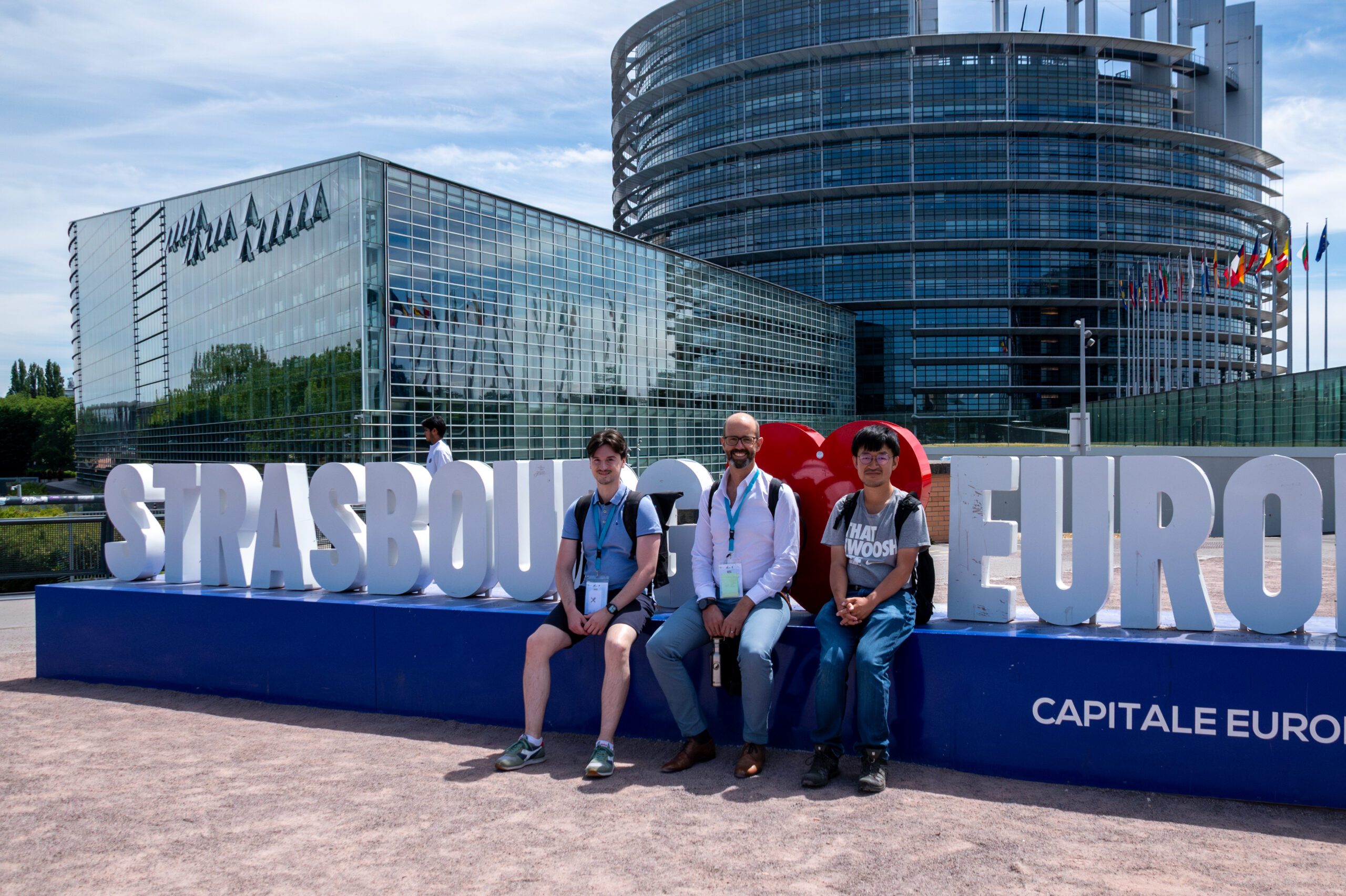
We are delighted to receive the START Prize 2023 from the Austrian Science Fund!
We are delighted to announce that we have been designated in the FWF selection process for the START Prize. This funding of 1.1 million euros will allow us to investigate the dynamic interaction within groups in detail. In particular, we aim to understand why groups often fail to utilize deviant performances, information, and criticism. Using cutting-edge technologies such as mobile eye-tracking and AI analyses, we intend to precisely capture and analyze the dynamic collaboration within groups.
Master KO Political and Intercultural Psychology
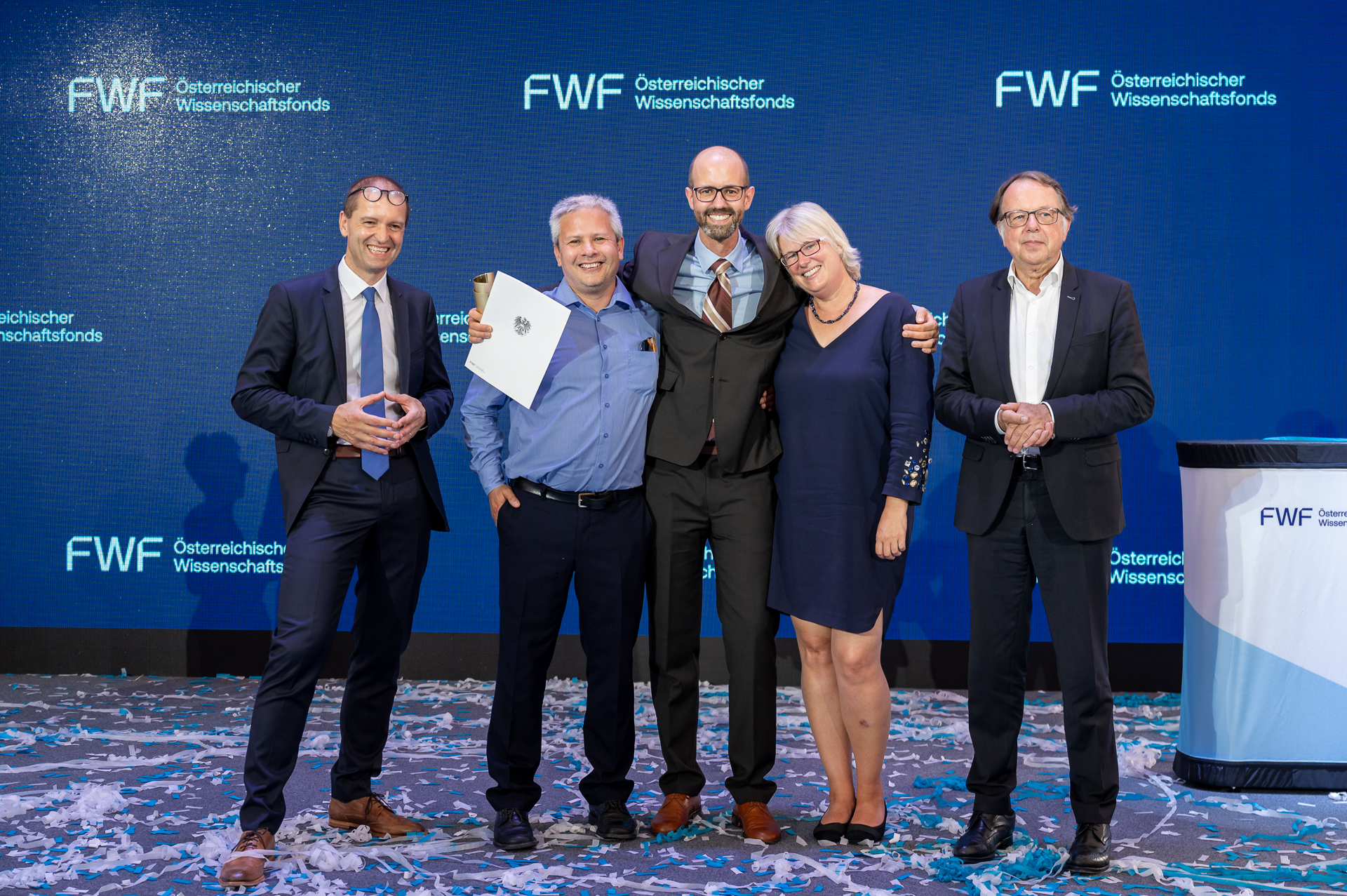
Topics: Criticism and dissenters as an opportunity and obstacle to achieving goals in groups
In this Master’s seminar we will examine how groups and teams react to criticism and to dissenters. In particular, we will examine the influence of criticism on group interaction and emotional expression. These issues will be examined in intercultural and political contexts (e.g. elections, climate movement, vegan diet). If you are interested, please contact by April 15th, 2026 with a short letter of motivation, a current CV with transcript and your BA thesis.