APPLIED ENVIRONMENTAL AND GEOSCIENCES BSC
| Schedule appointment for personal enrolment To register for your studies, you must arrange an appointment. To do this you must enter your personal data online via the link below.  |  Photo: Jörg Robl |
| Course Duration / ECTS | Full BSc: 6 Semesters / 180 ECTS as Major: 6 Semesters / 120 ECTS + 12 ECTS Electives as Minor: 6 Semesters / 48 ECTS as Competence Building: 2 Semesters / 24 ECTS |
| University Degree | Bachelor of Science (BSc) |
| Admission Requirements | · Matura or school leaving certificate (e.g., Abitur (GER), GCE A-levels (UK), Diplome du Baccalaureat de l’Enseignement du Second Degre (F), Titulo de Bachiller (E), Attestat (RSF)), which is comparable in length and quality to the Austrian Matura. · Advanced schlool-level Biology |
| Curriculum | · Curriculum |
| Dates and Deadlines | · The dates and deadlines change every semester. · The current deadlines and dates can be found here. |
| Information on the department and student union representatives | · Department of Environment and Biodiversity · Geology Group · Student Reps: |
| Language level required | · German B2 |
Contacts:
Queries regarding the BSc in „Applied Environmental and Geosciences“:
More information about the BSc Applied Environmental and Geosciences
What will I learn?
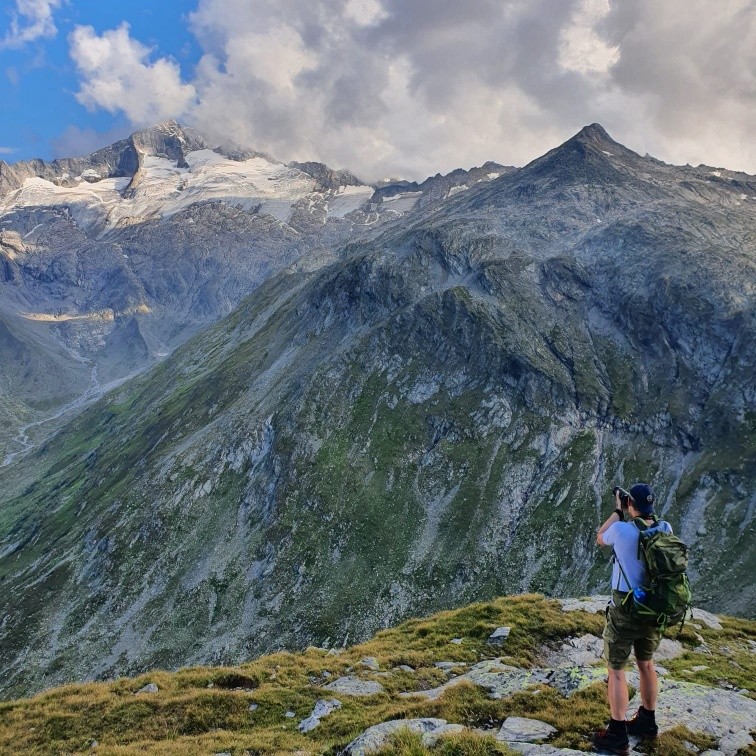
Discover how our planet works—and help shape its future. The Bachelor's degree in Applied Environmental and Geosciences provides a strong scientific foundation for understanding the Earth's dynamic systems and addressing today's environmental challenges. Students explore the interactions between the geosphere, atmosphere, hydrosphere and biosphere, gaining the knowledge and practical skills needed to tackle global environmental change. The curriculum combines fundamental geoscience with applied engineering, covering topics from mountain landscapes and natural hazards to climate-driven processes and environmental change. A particular focus is placed on environmental geology and geotechnical engineering, preparing graduates to develop sustainable solutions and ensure the safe interaction between society and the geological environment. Whether designing resilient alpine infrastructure, managing natural resources, or mitigating geohazards, students are equipped to contribute to a more sustainable and climate-resilient future.
What makes Salzburg so special?
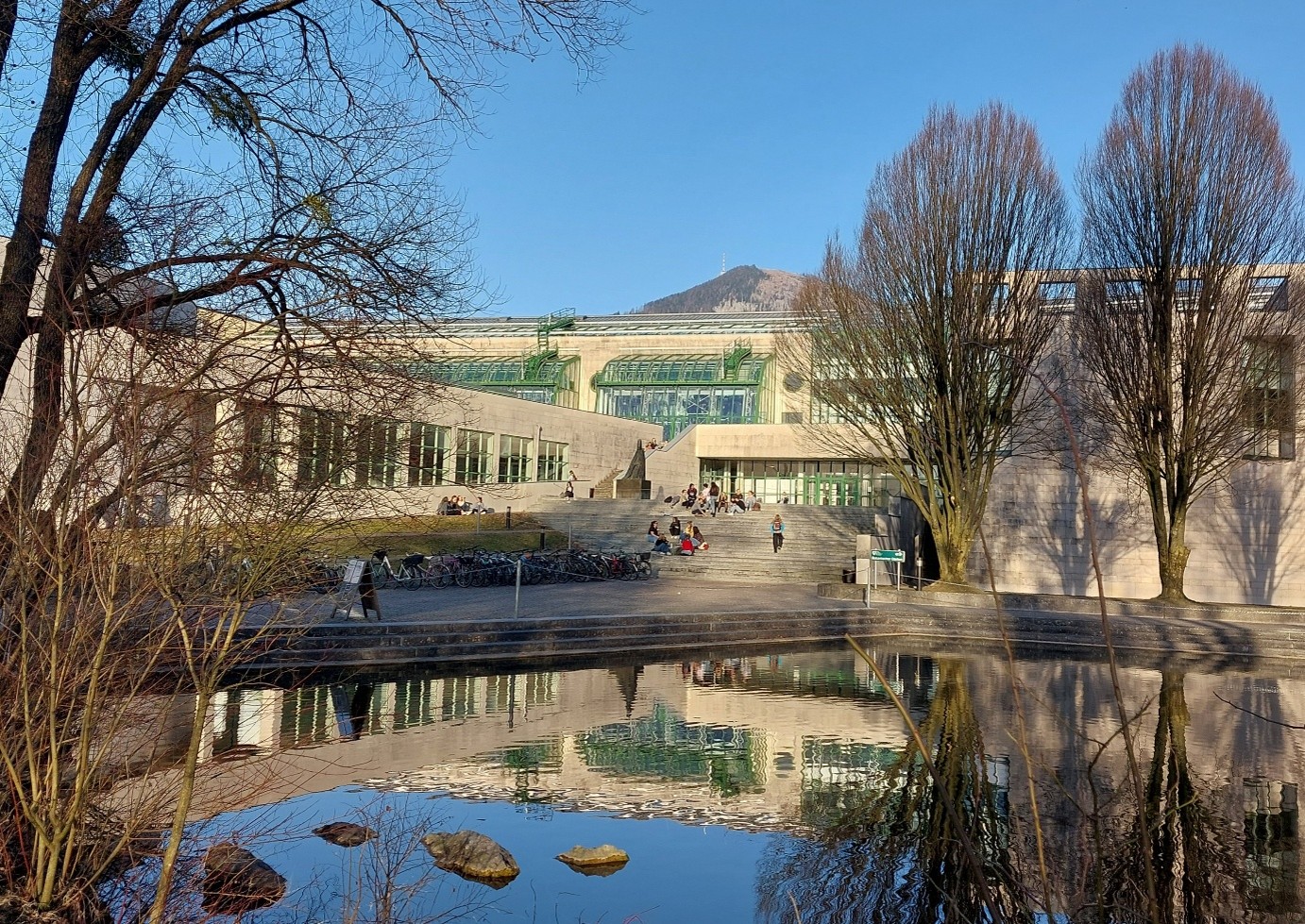
Study where science meets the Alps. Salzburg offers a unique setting for studying Applied Environmental and Earth Sciences. Located at the gateway to the Alps, it provides an exceptional natural laboratory for exploring Earth's processes—from mountain formation and natural hazards to water resources, climate change, and sustainable environmental management. Beyond the classroom, students benefit from close connections with numerous national and international geoscience consulting companies based in the region. These partnerships provide valuable internship opportunities in areas such as engineering geology, hydrogeology, environmental geology, and geotechnical engineering, giving students practical experience and a strong foundation for launching their careers. At the Department of Environment and Biodiversity at the University of Salzburg, students join an international and interdisciplinary community supported by state-of-the-art laboratories, modern field equipment, and research-driven, hands-on teaching. This combination of academic excellence, practical training, and an outstanding natural environment makes Salzburg an exceptional place to study and prepare for the environmental challenges of the future.
What career paths are available to me?
The bachelor’s programme opens up diverse and future-proof career paths in a dynamic field at the interface of nature, technology and the environment. Graduates work in areas such as: • Engineering and consultancy services: Planning, advisory and expert assessment roles in geotechnics, hydrogeology, environmental geology as well as environmental and process engineering. • Critical infrastructure: Geoscientific support, risk assessment and maintenance in sectors including transport, energy supply, water management and tourism. • Raw materials and renewable energy: Exploration and sustainable use of mineral resources as well as the planning and implementation of projects within the energy transition. • Public sector and administration: Specialist roles in environmental and resource protection, water management, natural hazard management, and agencies responsible for flood and avalanche management and mitigation. • Research and academia: Work at universities and research institutions in the field of environmental and geosciences. In addition, the bachelor’s programme, including the major (67 percent), qualifies graduates for direct admission to the consecutive Master’s programme in Geology, which offers further specialisation and expanded career opportunities.
Further Postgraduate degree:
MSc Geology